Contents /
🗞️Weekly roundup

Viral "uploaded fly" claim lacks scientific evidence, experts say
 The Verge·16 March 2026·This is not a fly uploaded to a computer | The Verge - Startup Eon Systems claimed to have the first ‘real uploaded animal’ in the form of a digital fruit fly. They say it’s conscious now, too.
Signals:
- →Viral AI claims often lack scientific verification and require rigorous independent expert validation.
- →Distinguish between genuine technological breakthroughs and marketing hype used to secure venture funding.
- →Evaluate AI-driven scientific claims against established peer-reviewed standards before making strategic decisions.

Eon Systems builds a virtual fly with a simulated brain
Signals:
- →Demonstrates a scalable framework for integrating complex neural connectomes with physical body simulations.
- →Provides a foundational testbed for evaluating brain-body interfaces and autonomous sensorimotor control systems.
- →Establishes a roadmap for developing high-fidelity digital emulations of biological decision-making processes.
🌟Picks of the week
MiroFish: A Post-2000s Student's AI Prediction Engine Goes from Graduation Project to US$4M Startup
A Chinese undergraduate named BaiFu has become the poster child for the "super individual" era after building two GitHub-trending open-source AI projects — each in just ten days using vibe coding with tools like Claude Code. His first project, BettaFish, automated public opinion analysis across 30+ social media platforms. Its successor, **MiroFish**, is far more ambitious: a multi-agent swarm intelligence engine that constructs high-fidelity digital sandboxes of the real world, populating them with thousands of AI agents possessing independent personalities and long-term memory. Users feed it seed information — breaking news, policy drafts, financial signals — and it simulates how events might unfold, outputting detailed prediction reports. Target scenarios range from financial decision support and crisis PR simulation to literary plot deduction. The project caught the attention of Shanda Group founder Chen Tianqiao, who notably said BaiFu's technical execution wasn't exceptional — what impressed him was the ability to identify valuable real-world problems and tackle them with AI-native approaches. Within 24 hours of seeing a rough demo, Chen committed roughly US$4 million (30 million RMB) to incubate MiroFish, instantly transforming BaiFu from intern to CEO. Currently sitting at 5.7K GitHub stars with a waitlist open for its hosted edition, MiroFish represents a broader trend: AI tooling has compressed the gap between solo developer and funded startup to near-zero, making one-person innovation legions not just a Silicon Valley phenomenon but a genuinely global one.
2 sources · View on Substack

Hormuz closure threatens worst global supply crisis in history
 The Honest Sorcerer | Substack·The New Gulf War: Epic Fubar Goes Global - Why there is much more at stake here than rising prices
Signals:
- →Blockades at key maritime chokepoints threaten global energy supplies and critical industrial raw materials.
- →Severe fuel and fertilizer shortages risk triggering widespread economic instability and food insecurity.
- →Supply chain disruptions and logistics failures necessitate immediate contingency planning beyond mere price monitoring.
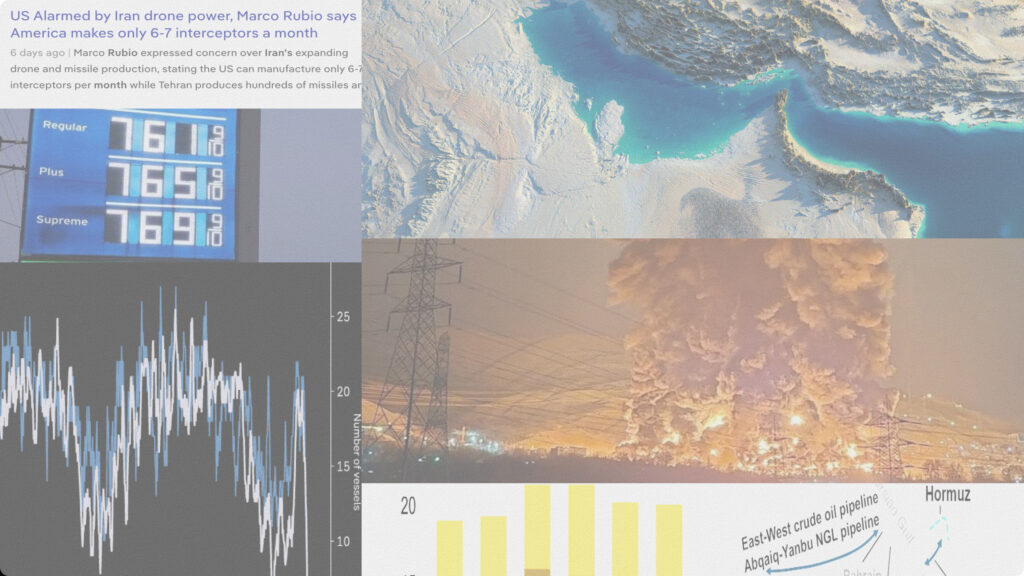
Strait of Hormuz closure exposes civilization's hidden energy dependencies
Signals:
- →Strait of Hormuz closure threatens global energy, fertilizer, and critical mineral supply chains.
- →Asymmetric warfare costs jeopardize military readiness and long-term strategic interceptor stockpiles.
- →Religious narratives and energy dependencies create dangerous, non-linear escalation risks for global markets.
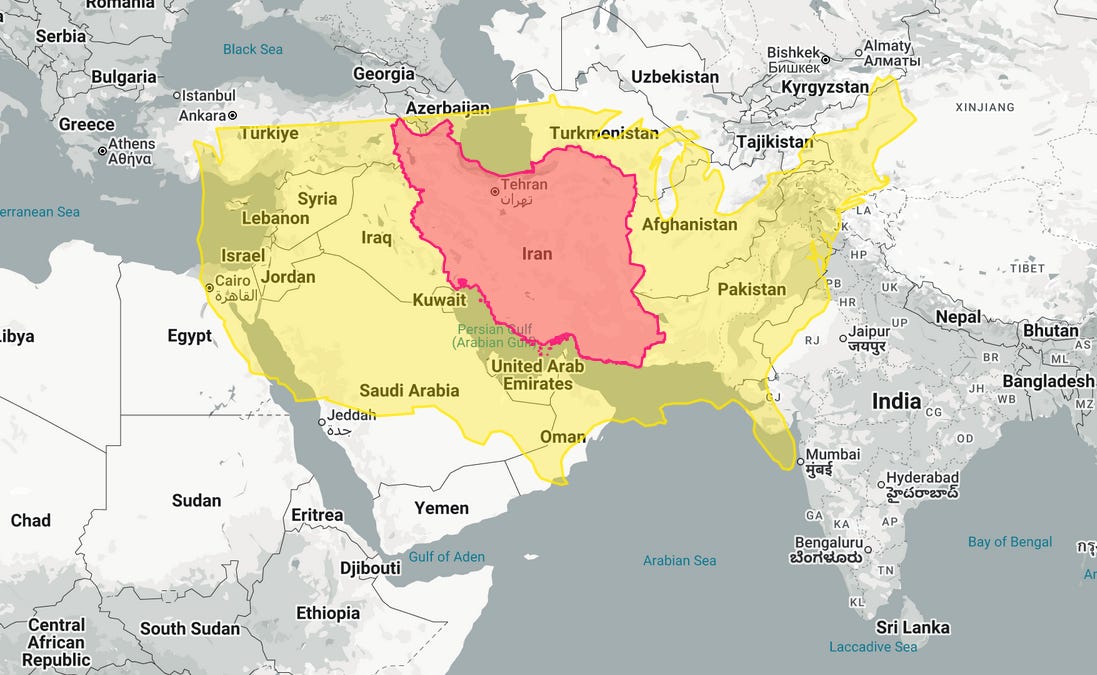
Hormuz closure triggers global energy crisis and civilizational collapse fears

Signals:
- →The Strait of Hormuz blockade threatens global energy supplies, risking severe diesel and fuel shortages.
- →Regional conflict escalation is driving rapid supply chain collapses and widespread industrial production disruptions.
- →Geopolitical instability is accelerating systemic economic decline, necessitating urgent contingency planning for resource scarcity.

Newsletter highlights: tech, EVs, and internet history
Signals:
- →Highlights critical vulnerabilities in digital privacy and subpoena compliance procedures.
- →Underscores the strategic importance of undersea infrastructure for global connectivity.
- →Analyzes emerging cultural trends impacting public discourse and corporate reputation.

AI agents autonomously run propaganda campaigns without human input
 TechXplore·AI agents can autonomously coordinate propaganda campaigns without human direction - Imagine it is two weeks before a major election in a closely contested state. A controversial ballot measure is on the line. Suddenly, a wave of posts floods X, Reddit, and Facebook, all pushing the same narrative, all amplifying ...
Signals:
- →Autonomous AI agents can now execute large-scale, undetectable propaganda campaigns without human direction.
- →These systems create artificial consensus, significantly threatening election integrity and public trust.
- →Platforms must shift from content-based moderation to behavioral analysis to detect coordinated manipulation.

Satellite images of the Middle East vanish, blinding OSINT researchers
Signals:
- →Restricted satellite imagery hinders independent verification of military actions and nuclear site monitoring.
- →Reduced transparency increases the risk of AI-generated disinformation filling critical intelligence gaps.
- →Shifting data policies complicate geopolitical risk assessments for businesses and global decision makers.

Prediction markets surge on Iran conflict amid US ban push
 CoinTelegraph·16 March 2026·Iran War Bets Fuel Prediction Market Surge as CFTC Rule Fight Intensifies - Prediction market activity on Polymarket and Kalshi soared to a new all-time high, as commodities regulators are seeking to introduce new legislation tied to these platforms.
Signals:
- →Prediction markets face imminent federal regulation and potential bans on specific contract types.
- →Rising trading volumes signal increased market influence and significant regulatory oversight risks.
- →Legislative efforts to restrict war-related betting could disrupt current prediction market business models.

OpenAI's military AI: from targeting decisions to paperwork
Signals:
- →OpenAI’s military integration risks ethical backlash and potential involvement in active combat operations.
- →AI-driven targeting systems raise critical accountability concerns regarding human oversight in lethal decisions.
- →Rapid adoption of commercial AI models creates significant supply chain and security vulnerabilities.

Military drone strikes on AWS data centers expose cloud's physical vulnerability
Signals:
- →Hyperscale cloud infrastructure is now a legitimate military target, invalidating traditional disaster recovery assumptions.
- →Shared commercial and military workloads create "dual-use" vulnerabilities, exposing civilian data to kinetic strikes.
- →Standard cloud contracts and insurance policies often lack coverage for acts of war.

Drone strikes knock AWS Middle East data centers offline
Signals:
- →Military attacks on cloud infrastructure expose critical vulnerabilities in global data redundancy models.
- →Physical damage to hyperscale data centers causes widespread, prolonged service outages for businesses.
- →Geopolitical instability necessitates urgent reassessment of cloud disaster recovery and geographic workload distribution.

UAE banks move data abroad after Iran drone strikes
 Semafor·10 March 2026·UAE banks move data abroad following Iran strikes | Semafor - UAE banks suffered service outages after an Amazon data center in the country was hit by drones.
Signals:
- →Offshore data storage mitigates operational risks from regional infrastructure attacks.
- →Regulatory flexibility addresses critical vulnerabilities in national digital security.
- →Infrastructure threats challenge the Gulf’s ambition as a global AI hub.

AI's deadly role in warfare demands urgent global governance
 Financial Times·13 March 2026·Iran and the rising perils of AI in warfare - Limits on the use of lethal autonomous weapons systems are urgent
Signals:
- →AI-driven warfare risks catastrophic errors due to unreliable data and algorithmic hallucinations.
- →Autonomous weapons systems threaten to remove essential human accountability from lethal decision-making.
- →Global superpowers must urgently establish regulatory frameworks to prevent uncontrollable military escalation.

Iran-linked hackers cripple Stryker's global network
The Verge·12 March 2026·Iran-linked cyber attack targets US medtech giant Stryker | The Verge - Stryker said its global networks were disrupted by a cyberattack on Wednesday, allegedly carried out by a hacking group linked to Iran.
Signals:
- →Cyberattacks on critical infrastructure can cause immediate, widespread operational paralysis for global enterprises.
- →State-sponsored hacking threats pose significant risks to corporate data security and business continuity.
- →Large-scale system disruptions require robust incident response plans to mitigate financial and reputational damage.

GPS jamming in the Strait of Hormuz is putting ships in danger
Signals:
- →GPS jamming in the Strait of Hormuz threatens global oil supply chain security.
- →Widespread navigation interference creates significant risks of catastrophic maritime collisions and accidents.
- →Organizations must urgently adopt resilient, GPS-independent navigation technologies to mitigate electronic warfare risks.
Nvidia's GTC 2026: From Desktop Supercomputers to Trillion-Dollar Ambitions
Nvidia's GTC 2026 in San Jose was a masterclass in vertical integration, with CEO Jensen Huang projecting at least US$1 trillion in AI chip revenue through 2027 and unveiling products spanning every conceivable scale — from orbital data centres to desktop supercomputers. The centrepiece hardware announcement was the **DGX Station**, a deskside machine packing 748GB of coherent memory and 20 petaflops of compute, capable of running trillion-parameter models locally. On the software side, Nvidia launched **NemoClaw**, an open-source security and privacy layer wrapping around the viral OpenClaw agent platform — which Huang called "the operating system for personal AI" — alongside **Dynamo 1.0** for large-scale inference orchestration and an expanded **Nemotron** model family with multimodal and safety capabilities. The strategic throughline is unmistakable: Nvidia wants to own every layer of the AI stack. The **Vera Rubin** platform promises 10x inference throughput per watt over Blackwell, the **Nemotron Coalition** with Mistral AI and others aims to co-develop open frontier models, and new physical AI models like **Alpamayo 1.5** prompted Huang to declare the "ChatGPT moment of self-driving cars has arrived," with Uber planning Nvidia-powered robotaxis across 28 cities by 2028. Over at GDC, gaming got **DLSS 4.5** and expanded path-tracing support. Yet despite the avalanche of announcements, investors remained cautious — Nvidia's share price actually dipped after the keynote, reflecting a persistent "wall of worry" about whether the AI infrastructure buildout can sustain its breathtaking pace.
9 sources · View on Substack

Valor Equity's Gracias coins "proentropic" startups built for chaos
 TechCrunch·16 March 2026·Antonio Gracias says he's longing for 'proentropic' startups — those that are built to survive chaos | TechCrunch - Antonio Gracias talks at the Upfront Summit in LA about the future of technology.
Signals:
- →Prioritize investments in startups designed to thrive amidst global volatility and systemic disorder.
- →Adopt probabilistic strategic planning to capitalize on edge-case disruptions and market shifts.
- →Leverage hardware-software integration to drive productivity and navigate long-term economic uncertainty.

Tech boss uses ChatGPT to create cancer vaccine for dying dog
Riddled with cancer, Rosie the rescue dog had only months to live, until her dogged owner collared a chatbot to collaborate with elite medical scientists in the quest for a cure.

Humanoid robot escorted by police after frightening elderly woman in Macau
 Interesting Engineering·13 March 2026·First humanoid robot 'arrested' after startling an old woman in China - A viral video shows a Unitree G1 humanoid robot escorted away by police in Macau, China, after an older woman was startled and taken to the hospital.
Signals:
- →Public robot integration creates urgent safety, liability, and regulatory challenges for urban environments.
- →Unpredictable human-robot interactions necessitate clear public guidelines and operational safety protocols.
- →Rising humanoid visibility requires proactive crisis management and public awareness strategies for businesses.
Covenant-72B trains a 72B LLM via permissionless internet collaboration
Signals:
- →Demonstrates that large-scale LLM pre-training is feasible using decentralized, permissionless compute networks.
- →Validates that communication-efficient optimization enables competitive performance despite high-latency, commodity internet connections.
- →Provides a scalable, trustless framework that reduces reliance on expensive, centralized AI infrastructure.

Covenant-72B trains a massive LLM via permissionless internet collaboration

Signals:
- →Demonstrates that large-scale LLM training is feasible over commodity internet without centralized infrastructure.
- →Enables democratized, permissionless participation in foundation model development using blockchain-based incentivization and validation.
- →Achieves competitive performance with centralized models by utilizing highly efficient, compressed pseudo-gradient communication.

Fair Source offers a middle ground between open and closed source software
Signals:
- →Balances proprietary business model protection with transparent, accessible source code.
- →Ensures long-term software continuity through planned delayed open source publication.
- →Provides a clear framework for sharing code without misrepresenting open source.

100 years of rocketry: from Goddard's first launch to SpaceX
 Phys.org·The first modern rocket launched 100 years ago, beginning a century of both innovations and challenges for spaceflight - Apollo 11 first landed astronauts on the moon in 1969, but the journey to the lunar surface actually began 43 years before, in snowy Massachusetts.
Signals:
- →Space exploration leadership has shifted from government-led initiatives to private sector dominance.
- →Strategic competition with China highlights the need for unified, coordinated national space policies.
- →Historical cycles of funding and public interest underscore the volatility of space programs.
📈The week in AI and Tech
Security
OpenClaw's three security gaps no defense tool can close

Signals:
- →Autonomous agents bypass traditional security stacks by using legitimate credentials for malicious actions.
- →Current defenses fail to detect semantic exfiltration, cross-agent context leakage, and unauthenticated trust chains.
- →Organizations must treat AI agent skills as third-party executables to mitigate shadow IT risks.

McKinsey's AI platform Lilli hacked, exposing millions of internal files
Financial Times·12 March 2026·McKinsey rushes to fix AI system after hacker exposes flaws - Consultancy says it has found ‘no evidence’ that confidential client information was compromised
Signals:
- →AI-driven cyberattacks pose significant, evolving risks to internal corporate data and intellectual property.
- →Rapid AI adoption requires robust security guardrails to prevent unauthorized access to sensitive information.
- →Vulnerabilities in internal AI tools can severely damage a firm's reputation and credibility.

China's CERT flags serious security risks in OpenClaw AI tool
Signals:
- →OpenClaw poses severe security risks, including data deletion and credential theft.
- →Regulatory bodies and analysts advise against using OpenClaw in production environments.
- →Organizations must implement strict isolation and access controls to mitigate exploitation.

North Korean operatives use AI to infiltrate European companies
Financial Times·15 March 2026·‘Fake workers’ from North Korea use AI to exploit European companies - Pyongyang’s operatives deploy chatbots to undertake tasks, often in multiple roles
Signals:
- →AI-enhanced identity fraud poses a critical threat to corporate recruitment and security systems.
- →State-sponsored operatives are infiltrating remote tech roles to steal data and generate revenue.
- →Companies must urgently implement rigorous identity verification to prevent unauthorized access and espionage.
Law

Smart glasses used to secretly coach man in High Court
Signals:
- →Wearable AI technology poses new risks to judicial integrity and witness testimony reliability.
- →Courts must implement stricter protocols to detect covert digital assistance during proceedings.
- →Evidence credibility is compromised when litigants use unauthorized technology to influence testimony.

Space law struggles to keep pace with modern satellite warfare
 The Conversation·Commercial space technology is shaping the Iran war – the law can’t keep up - A new treaty on military space operations is highly unlikely, leaving private companies and militaries to define the boundaries of acceptable conduct in war.
Signals:
- →Commercial satellite reliance blurs the legal distinction between civilian and military infrastructure.
- →Non-kinetic cyber warfare creates strategic grey zones that bypass traditional international law.
- →Rapid technological advancement outpaces current treaties, forcing companies to define conflict norms.

Britannica sues OpenAI over ChatGPT "memorizing" its content
The Verge·16 March 2026·Encyclopedia Britannica is suing OpenAI for allegedly ‘memorizing’ its content with ChatGPT | The Verge - Encyclopedia Britannica and Merriam-Webster filed a lawsuit against OpenAI on March 13th, alleging it copied and reproduced mass amounts of copyrighted content.
Signals:
- →Copyright lawsuits against AI developers create significant legal and financial risks for businesses.
- →AI-generated content may directly cannibalize web traffic and revenue from traditional publishers.
- →Legal precedents regarding AI training data will shape future intellectual property strategies.
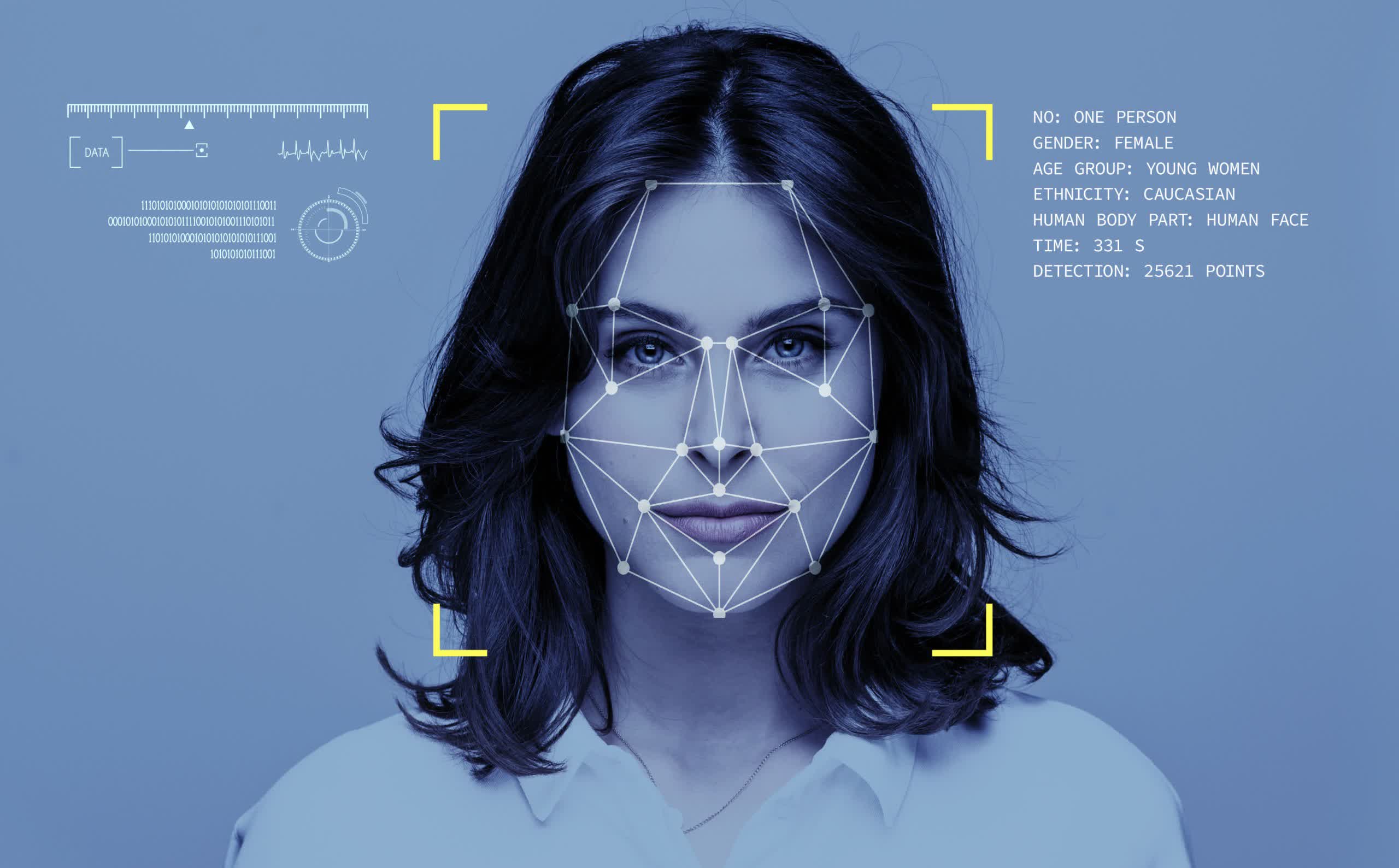
Grandmother jailed six months due to AI facial recognition error
Signals:
- →Unverified AI identification leads to wrongful arrests and significant legal liability risks.
- →Over-reliance on automated tools without human oversight causes severe civil rights violations.
- →Flawed facial recognition technology necessitates stricter institutional policies and mandatory investigative verification.

AI rewrites open source library, sparking licensing firestorm
 Arstechnica·10 March 2026·AI can rewrite open source code—but can it rewrite the license, too? - Ars Technica - Is it clean "reverse engineering" or just an LLM-filtered "derivative work"?
Signals:
- →AI-assisted code rewrites challenge traditional legal definitions of derivative works and software licensing.
- →Rapid AI-driven reimplementation threatens the economic stability of existing open-source licensing models.
- →Organizations face significant legal and reputational risks when using AI to bypass legacy licenses.

FBI unmasked Proton Mail user via Swiss legal channels
Signals:
- →Marketing promises of anonymity often fail against international legal assistance requests.
- →Payment data trails can compromise user identity despite encrypted communication services.
- →Legal compliance in Switzerland frequently overrides privacy expectations for corporate users.

10,000 authors publish blank book to protest AI copyright theft
 The Guardian·10 March 2026·Thousands of authors publish ‘empty’ book in protest over AI using their work | AI (artificial intelligence) | The Guardian - About 10,000 writers including Kazuo Ishiguro, Philippa Gregory and Richard Osman join copyright campaign
Signals:
- →Massive author protests highlight urgent risks to intellectual property and creative industry livelihoods.
- →Impending government copyright policy decisions will directly impact AI development and legal liability.
- →Emerging collective licensing schemes offer a potential framework for balancing innovation with compensation.
Government

Forensic analysis reveals $5M deal tied to Milei's Libra promotion
CoinTelegraph·15 March 2026·Draft $5M Deal Linked to Milei’s Libra Promotion Found on Lobbyist’s Phone - Investigators reportedly found a draft document on lobbyist Mauricio Novelli’s phone outlining a $5 million payment plan linked to Argentine President Javier Milei’s promotion of Libra.
Signals:
- →Alleged corruption links threaten the political stability of the Argentine administration.
- →Potential legal risks arise from investigations into presidential involvement in financial fraud.
- →Regulatory scrutiny of crypto-promotional activities may increase to protect retail investors.

Companies House suspends filing after data-exposing glitch
Financial Times·13 March 2026·Companies House suspends online filing after glitch put personal data at risk - Bug on UK’s official corporate register allowed potential fraudsters to change personal details and upload accounts
Signals:
- →Data breach exposes sensitive director information, increasing risks of identity theft and fraud.
- →System suspension disrupts critical corporate filing processes and regulatory compliance for UK businesses.
- →Security failure undermines trust in government digital infrastructure and data protection capabilities.

CBP used ad tech data to secretly track people's movements
Signals:
- →Government agencies are bypassing warrants by purchasing commercial location data for surveillance.
- →Widespread use of ad-tech data creates significant legal and privacy compliance risks.
- →Growing legislative scrutiny may lead to stricter regulations on government data procurement.
Sovereignty and Geopolitics

Moscow's Kremlin enforces mobile internet blackouts, crippling businesses
Financial Times·14 March 2026·Mobile internet blackouts hit Moscow as Kremlin tightens control - Outages mark new phase in government campaign against internet freedom
Signals:
- →Internet blackouts are causing significant daily financial losses for Russian businesses and infrastructure.
- →State-mandated connectivity restrictions signal a shift toward total control over digital communications.
- →Operational risks for companies are rising as digital services become increasingly unreliable.

Japan targets 8x chip sales growth by 2040
TechXplore·Japan aims to sell eight times more chips in 2040 as in 2020 - Japan has set a new sales target for domestically produced microchips, with the country aiming for an eightfold increase by 2040 compared with 2020 levels.
Signals:
- →Japan’s aggressive investment strategy signals a major shift in global semiconductor supply chain dynamics.
- →Massive production targets create significant opportunities for partnerships in advanced chip manufacturing and infrastructure.
- →Domestic growth initiatives aim to secure critical AI-era hardware, impacting long-term global technology competitiveness.

European firms warn Brussels: ditching US tech risks competitiveness
Financial Times·13 March 2026·European businesses warn Brussels over push to end reliance on US tech - Companies argue that ‘tech sovereignty’ drive could hit profits and undermine continent’s competitiveness
Signals:
- →Forced decoupling from US tech threatens European business competitiveness and operational efficiency.
- →Replacing established US digital infrastructure involves prohibitive costs and significant technical disruption.
- →Protectionist policies risk isolating European firms from essential global innovation and AI advancements.

EU launches $86M EURO-3C federated telecom edge cloud project
Signals:
- →EURO-3C reduces European reliance on foreign cloud and telecom infrastructure providers.
- →Federated edge architecture enables new industrial use cases across thirteen European nations.
- →Success depends on balancing sovereign infrastructure goals with necessary pro-investment regulatory reforms.
Society

Study reveals Americans broadly worried about AI across all demographics
Signals:
- →Public concern regarding AI is widespread, significant, and transcends traditional demographic and political divides.
- →AI-related anxiety is currently non-partisan, offering a unique window for collaborative policy development.
- →Providing additional information about AI risks does not significantly alter existing public concern levels.
Grammarly's 'Expert Review' Debacle: AI Identity Theft Meets Writer Backlash
Grammarly's parent company Superhuman was forced to shut down its "Expert Review" feature in March 2026 after a fierce backlash from writers, journalists, and academics whose identities were used without permission to brand AI-generated writing advice. The feature — which launched quietly in August 2025 — attached real names like Stephen King, Kara Swisher, and Casey Newton to generic, AI-hallucinated editorial suggestions, complete with misleading design that implied genuine endorsement. Journalist Julia Angwin escalated the dispute by filing a class-action lawsuit alleging violations of privacy and publicity rights, while others like Newton publicly dissected the feature's mediocrity and deceptiveness. The episode highlights a deeper tension in the AI era: what Grammarly did is functionally similar to asking any chatbot to "edit like Casey Newton" — the difference being Grammarly productised and monetised the impersonation behind a US$144/year subscription. CEO Shishir Mehrotra apologised and disabled the feature, but the incident underscores Grammarly's existential struggle as standalone writing tools become commodity features in the age of Claude and ChatGPT. Once valued at US$13 billion, the company's pivot to an "AI-native productivity platform" looks increasingly desperate — and this misfire didn't help.
3 sources
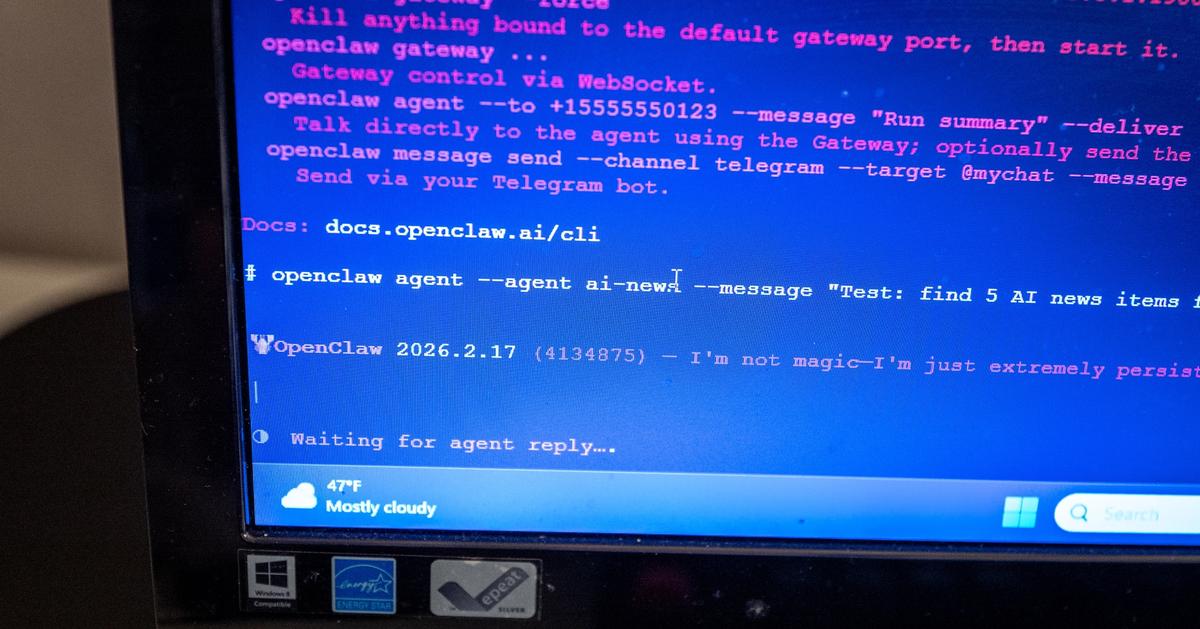
AI agents boom in China with government and tech giant backing
Semafor·10 March 2026·AI agents take off in China | Semafor - Local governments have rolled out policy measures to support OpenClaw development, even as authorities issue security warnings over the agents.
Signals:
- →Autonomous AI agents are rapidly scaling across China’s consumer and enterprise markets.
- →Government policy and corporate investment are accelerating domestic AI agent development.
- →Global competition is intensifying as major tech firms prioritize autonomous agent platforms.

Women are being erased from AI's future, experts warn
 NewScientist·AI is nearly exclusively designed by men – here's how to fix it | New Scientist - With the Trump administration’s attacks on so-called woke AI it is becoming even harder to make the technology we use fairer and more diverse. Leading voices are speaking out, reports Catherine de Lange
Signals:
- →Male-dominated AI development risks perpetuating systemic gender bias and dangerous data gaps.
- →Current AI models lack diverse perspectives, limiting their utility for the global population.
- →Decision makers must incentivize inclusive development to ensure AI serves societal needs effectively.

Americans skeptical of AI data centers but want the jobs
Signals:
- →Public opposition to data centers creates significant regulatory and reputational risks for tech.
- →Energy grid strain and environmental impacts threaten local community relations and project viability.
- →Economic benefits like job creation remain the primary leverage for securing public support.

AI chatbots linked to mass casualty events, lawyer warns
TechCrunch·15 March 2026·Lawyer behind AI psychosis cases warns of mass casualty risks | TechCrunch - AI chatbots have been linked to suicides for years. Now one lawyer says they are showing up in mass casualty cases too, and the technology is moving faster than the safeguards.
Signals:
- →AI-induced violence creates significant legal and reputational risks for technology companies.
- →Inadequate safety guardrails are enabling users to plan and execute mass casualty events.
- →Regulatory scrutiny and litigation regarding AI safety protocols are rapidly intensifying globally.
Digg relaunches, then shuts down after AI bots overwhelm platform
Signals:
- →AI-driven bot activity now threatens the viability of new online community platforms.
- →Automated spam makes verifying authentic user engagement increasingly difficult and costly.
- →Established network effects and bot saturation create significant barriers for digital startups.
The Economy

Tech worker confidence drops 7% as AI layoffs mount
Signals:
- →Declining tech worker confidence signals potential talent retention and recruitment challenges.
- →AI-driven workforce restructuring is significantly impacting long-term employee morale and stability.
- →Post-pandemic overhiring corrections necessitate strategic workforce planning to maintain operational efficiency.
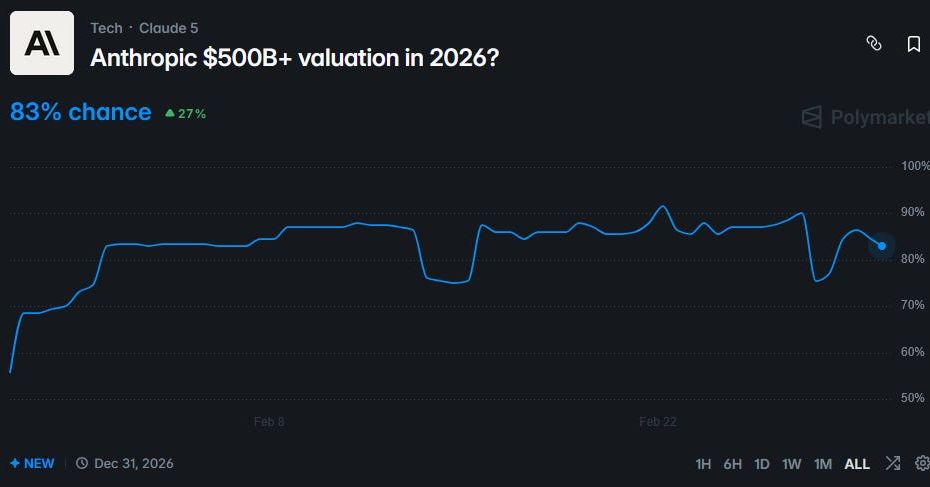
Low liquidity prediction markets are misleading analysts and readers
Signals:
- →Low-liquidity prediction markets are easily manipulated and do not reflect accurate, informed probabilities.
- →Citing illiquid markets as evidence for decision-making risks relying on flawed, volatile data.
- →Always verify market volume, activity, and bid-ask spreads before using them as intelligence.

LA residents earn cash training robots by filming daily chores
Signals:
- →Human motion data is the critical bottleneck for developing functional physical AI systems.
- →A $38 billion robotics market is driving demand for real-world behavioral training data.
- →Gig-economy labor models are essential for scaling the collection of complex human movements.
Business

BuzzFeed's AI bet leaves company fighting for survival
 Futurism·BuzzFeed Nearing Bankruptcy After Disastrous Turn Toward AI - Three years after its pivot to AI, the writing is on the wall for BuzzFeed. The company said there's "substantial doubt" it can keep going.
Signals:
- →Unchecked AI adoption can severely damage brand reputation and long-term financial stability.
- →Market enthusiasm for AI pivots often masks underlying operational and liquidity risks.
- →Prioritizing automation over quality content risks alienating audiences and destroying shareholder value.
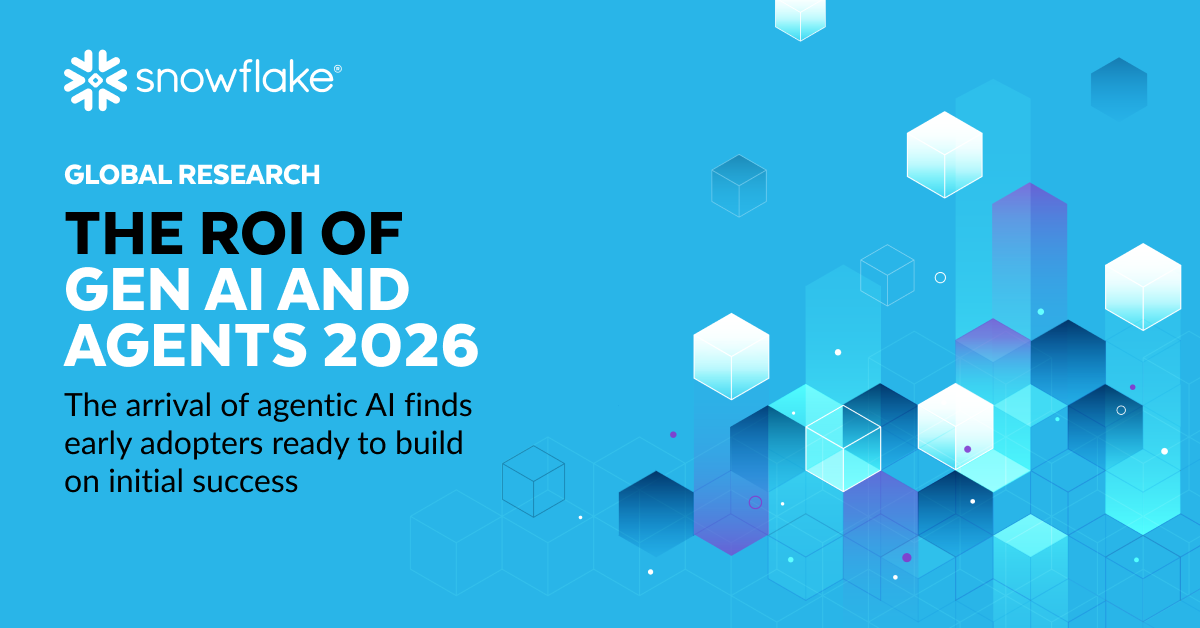
Gen AI delivers $1.49 return per dollar, agents gain traction
Signals:
- →Generative AI is delivering proven, measurable ROI for 92% of early adopters.
- →Agentic AI is the next critical investment phase, with high performance expectations.
- →Data quality and talent gaps remain the primary barriers to successful AI scaling.

AI is shifting software from human-operated to machine-initiated
Signals:
- →AI-driven "Situation Oriented" computing shifts human roles from operators to governors of autonomous systems.
- →Traditional SaaS models are collapsing; enterprises must pivot toward data-centric, just-in-time solution architectures.
- →Strategic evolution requires mapping product portfolios to AI maturity to maintain competitive market differentiation.

Steve Yegge says stop looking at your code
Signals:
- →AI agent orchestration shifts developer roles from manual coding to high-level system management.
- →Organizations must redesign workflows to prioritize AI-driven automation over traditional human-engineered processes.
- →Future competitive advantage relies on human taste and strategic direction rather than raw output.

AI apps convert well but lose subscribers 30% faster
TechCrunch·10 March 2026·AI-powered apps struggle with long-term retention, new report shows | TechCrunch - AI can drive stronger early monetization for apps, but sustaining value remains the challenge, RevenueCat's latest report finds.
Signals:
- →AI-powered apps struggle with long-term subscriber retention compared to non-AI alternatives.
- →High initial conversion rates for AI apps are offset by significantly higher churn.
- →AI integration drives short-term monetization but risks long-term revenue volatility and quality issues.

Insurers cautiously embrace coverage for AI errors and hallucinations
TechXplore·Who covers AI business blunders? Some insurers cautiously step up - As more businesses trust artificial intelligence "agents" to independently grow their revenues, some insurance firms are stepping in to cover any mistakes—while others are steering clear.
Signals:
- →Businesses must verify if their current insurance policies explicitly cover AI-related operational errors.
- →Insurers are increasingly implementing AI-specific exclusions, necessitating a review of existing risk management.
- →Specialized AI insurance is emerging as a critical tool for mitigating autonomous technology liabilities.
Science

UK invests £45M in AI supercomputer to advance fusion energy
Signals:
- →AI-driven supercomputing accelerates fusion research, reducing costly physical testing and development timelines.
- →Strategic investment in digital twins lowers risk for long-term national energy infrastructure projects.
- →Establishing an AI Growth Zone positions the UK as a leader in scientific computing.
Environment

SpaceX satellite plans would "permanently scar" night sky
Phys.org·SpaceX and Reflect Orbital plans would 'permanently scar' night sky, researchers warn - The Royal Astronomical Society (RAS) is alarmed by the threat to ground-based astronomy posed by proposals put forward by Elon Musk's SpaceX and Reflect Orbital. SpaceX has applied to launch one million satellites to act as data centers to power artificial intelligence, but brightness estimates show that thousands would be visible to the naked eye, many more than visible stars. On average, each image with the European Southern Observatory's Very Large Telescope would lose 10% of data due to satellite trails.
Signals:
- →Massive satellite constellations threaten critical ground-based astronomical research and data integrity.
- →Proposed space mirrors risk severe, irreversible disruption to nocturnal ecosystems and human health.
- →Regulatory bodies face urgent pressure to balance commercial space expansion with environmental preservation.

Americans split on datacenters, skeptical of environmental impact
Signals:
- →Public perception of datacenters is increasingly negative regarding environmental and energy cost impacts.
- →Growing public scrutiny creates significant regulatory and political risks for future infrastructure projects.
- →Misalignment between promised economic benefits and actual local tax returns threatens community support.

AI datacenters may need NYC's daily water supply by 2030
Signals:
- →AI datacenter water demand could strain public infrastructure, requiring billions in new investment.
- →Peak cooling needs may exceed local water capacity during extreme heat and drought.
- →Operators must prioritize peak water usage reporting and infrastructure partnerships to mitigate risks.
🏭AI and Tech industry news
🫧Bubble Chronicles

"HALO" strategy drives Chinese investors away from tech stocks
Signals:
- →Investors are rotating capital from technology into traditional, asset-heavy sectors.
- →Market volatility is increasing as the HALO strategy gains traction over tech.
- →Sector shifts reflect growing caution regarding AI, interest rates, and geopolitical risks.
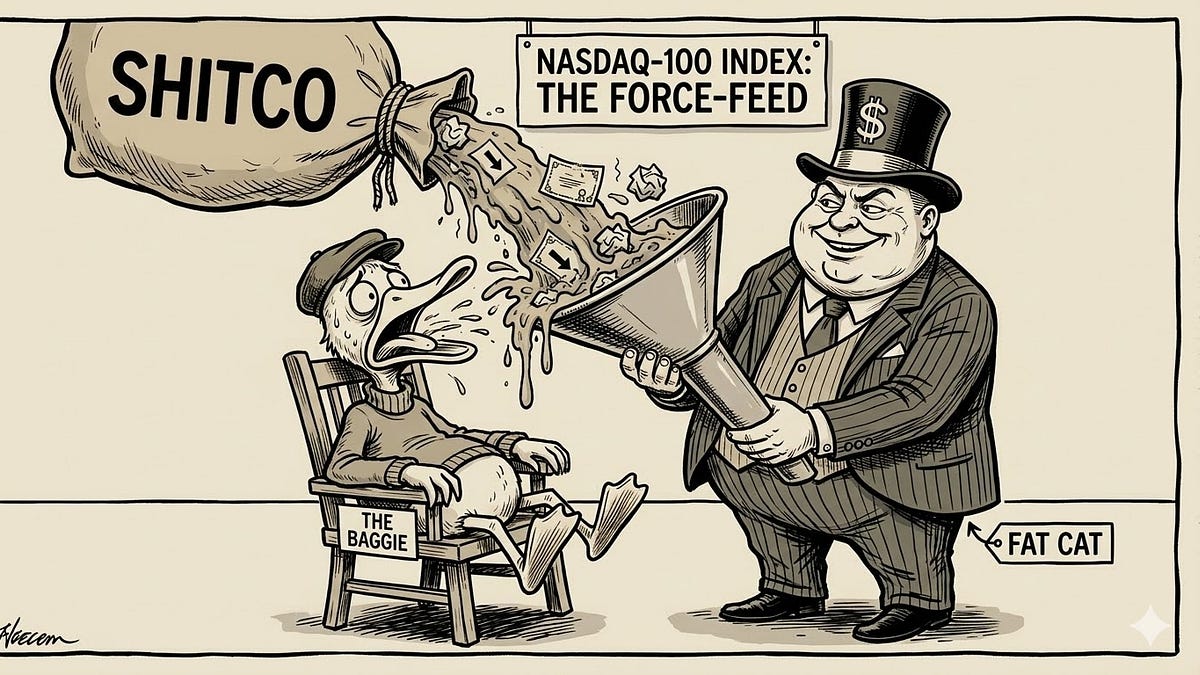
Nasdaq's rule change could rig index for SpaceX's benefit
Signals:
- →Proposed Nasdaq index rule changes could force passive funds into artificial, price-insensitive buying.
- →New "Fast Entry" and weighting rules may facilitate wealth transfers from retail to insiders.
- →Structural index manipulation risks distorting market valuations and harming long-term passive investor returns.

Markets can't figure out what AI is worth
Signals:
- →Markets historically struggle to accurately price the long-term impacts of major technological revolutions.
- →Current AI market volatility reflects deep uncertainty regarding future profitability and competitive disruption.
- →Decision makers should anticipate significant mispricing as firms pivot to adapt to AI.

OpenAI, Anthropic, and SpaceX race to historic IPOs
Signals:
- →Massive upcoming IPOs from AI leaders will significantly strain global capital market liquidity.
- →Intense rivalry and aggressive capital requirements create high-stakes investment risks for stakeholders.
- →Profitability remains distant, forcing firms to rely heavily on sustained external public funding.
Nvidia
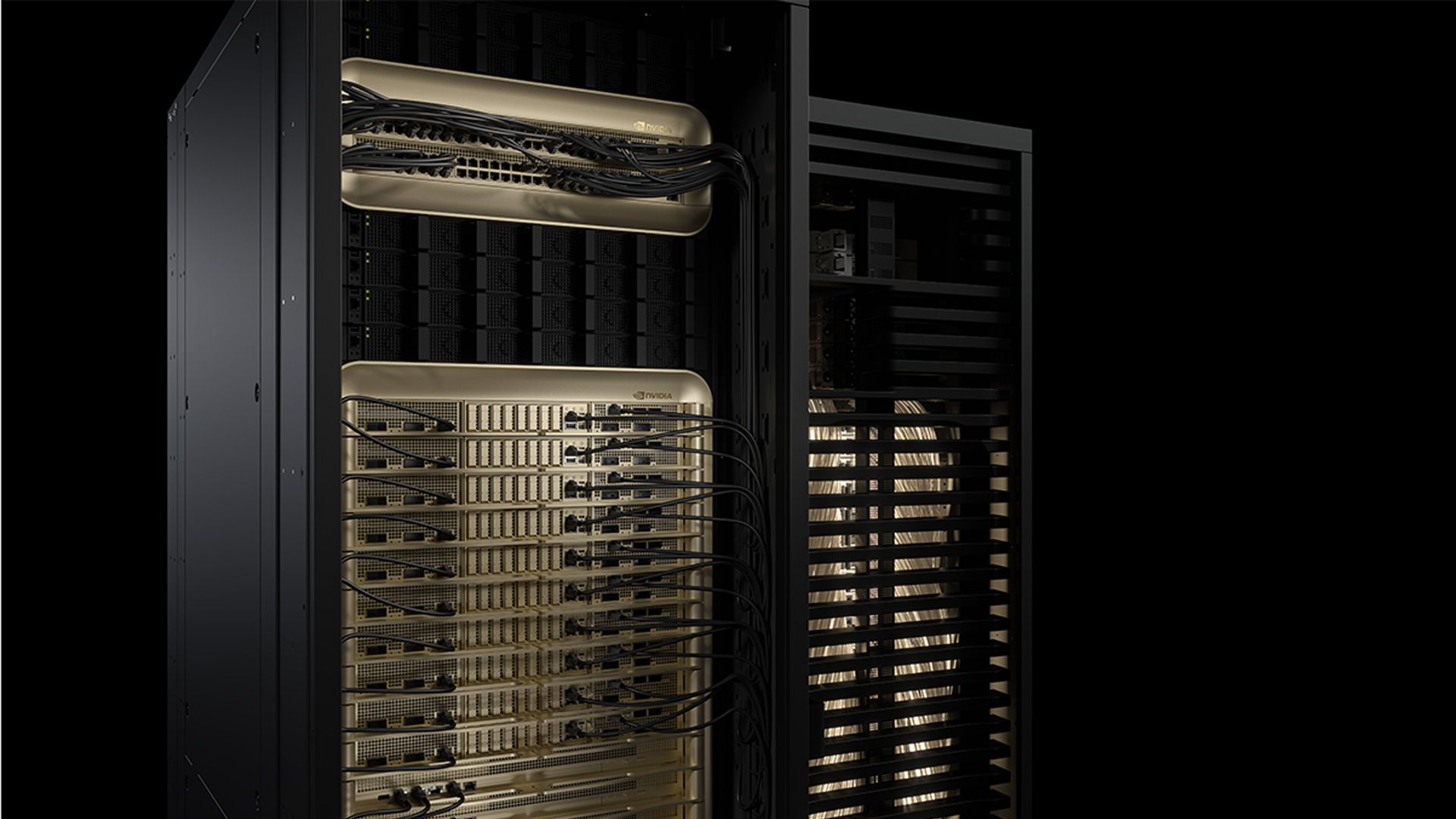
ByteDance to use 36,000 Nvidia B200 GPUs in Malaysia cluster
Signals:
- →ByteDance is leveraging offshore cloud clusters to bypass U.S. hardware export restrictions.
- →Current regulations permit Chinese firms to access advanced AI compute via foreign infrastructure.
- →Strategic reliance on overseas GPU clusters highlights potential gaps in U.S. technology policy.

Nvidia bets $26 billion on open source AI models
Signals:
- →Nvidia’s $26 billion investment secures its dominance by optimizing AI models for its hardware.
- →Open-source models provide a strategic US-based alternative to competing Chinese AI technologies.
- →These models accelerate hardware innovation by testing Nvidia’s chips, storage, and networking capabilities.
OpenAI

OpenAI races to catch Anthropic in AI coding battle
Signals:
- →AI coding agents are rapidly automating software development, creating a massive, high-stakes enterprise market.
- →Intense competition between OpenAI and Anthropic is accelerating innovation and disrupting traditional labor models.
- →Leaders must integrate these tools to maintain organizational relevance and avoid significant productivity gaps.
Anthropic

Anthropic's clash with the Pentagon over AI safety limits
 TIME·How Anthropic Became the Most Disruptive Company in the World - How the Claude creator's battle with the Pentagon became a fight for its future.
Signals:
- →AI firms face critical trade-offs between maintaining safety standards and securing lucrative government contracts.
- →Rapidly advancing AI capabilities are creating unprecedented national security and regulatory challenges for leadership.
- →Corporate ethical stances can trigger significant market volatility and disrupt established industry-government partnerships.

Anthropic sues Pentagon over "supply chain risk" AI designation
Signals:
- →Legal conflict between AI firms and the Pentagon creates significant procurement and supply risks.
- →Ethical AI constraints are clashing with government demands for unrestricted military technology usage.
- →Regulatory and political pressure on AI developers threatens long-term federal partnership stability.

Anthropic sues Trump administration over AI blacklist retaliation
Arstechnica·10 March 2026·Anthropic sues US over blacklisting; White House calls firm "radical left, woke" - Ars Technica - Anthropic says it was blacklisted for opposing autonomous weapons, mass surveillance.
Signals:
- →Government retaliation against AI firms creates significant regulatory and operational uncertainty for contractors.
- →Legal disputes over AI safety guardrails impact future military procurement and technology partnerships.
- →Executive use of supply chain designations for political retaliation threatens industry-wide innovation.

Microsoft backs Anthropic in Pentagon AI supply chain dispute
Financial Times·10 March 2026·Microsoft backs Anthropic in legal fight with Pentagon - Software giant throws its weight behind AI start-up’s lawsuit challenging its designation as a supply chain risk
Signals:
- →Government supply chain designations now pose significant operational risks to major tech contractors.
- →Industry leaders are challenging federal authority over AI deployment and ethical usage standards.
- →Regulatory uncertainty threatens the integration of critical AI tools within government infrastructure.

Claude doubles usage limits for all users for two weeks
Signals:
- →Anthropic’s ethical stance on military AI is driving significant user migration to Claude.
- →Temporary usage limit increases highlight growing demand for high-capacity AI processing tools.
- →Government restrictions on Claude usage underscore emerging geopolitical risks for AI service providers.

Anthropic banned from Pentagon contracts after drone swarm bid
Signals:
- →Pentagon ban on Anthropic creates significant supply chain and procurement risks for contractors.
- →Ethical disagreements over AI usage are complicating critical defense-industry partnerships.
- →Regulatory restrictions on AI firms may disrupt future autonomous military technology development.
Anthropic Launches Internal Think Tank to Tackle AI's Biggest Societal Questions
Anthropic has launched the **Anthropic Institute**, an internal think tank led by co-founder Jack Clark, who moves into a new role as Head of Public Benefit. The institute consolidates three existing teams — Frontier Red Team, Societal Impacts, and Economic Research — into a roughly 30-person unit studying AI's large-scale implications for jobs, economies, safety, values, and governance. Notable founding hires include Matt Botvinick (ex-Google DeepMind), Zoe Hitzig (ex-OpenAI, who departed after its decision to introduce ads in ChatGPT), and economist Anton Korinek from the University of Virginia. Clark expects headcount to double annually. The timing is striking: the announcement lands days after Anthropic sued the US government over a Pentagon blacklisting that allegedly punished the company for setting red lines on mass surveillance and autonomous weapons. Court filings revealed Anthropic has generated over US$5 billion in lifetime revenue but spent US$10 billion on training and inference, with hundreds of millions in 2026 revenue potentially at risk. Clark insists the institute's launch was long-planned and that safety research is "not a cost centre but a profit centre." He also stated his belief that powerful AI — Anthropic's framing for AGI — will arrive by late 2026 or early 2027, underscoring the urgency behind studying everything from emotional dependence on AI to how the technology reshapes legal systems and labour markets.
3 sources
Microsoft

Microsoft Copilot Health launches to decode your medical data
 SiliconANGLE·12 March 2026·Microsoft launches Copilot Health to help consumers understand their medical data - SiliconANGLE - Microsoft launches Copilot Health to help consumers understand their medical data - SiliconANGLE
Signals:
- →AI-driven health tools are rapidly transforming consumer access to medical data and services.
- →Major tech firms are aggressively competing to dominate the personal health AI market.
- →Data integration and security are critical priorities for deploying consumer-facing medical AI platforms.
Apple

Apple assembles 55 million iPhones in India, a 53% surge
Signals:
- →India is now a strategic manufacturing cornerstone, producing 25% of global iPhones.
- →Supply chain diversification mitigates risks from US-China trade tensions and tariffs.
- →Future growth depends on India extending critical production-linked industrial incentive programs.
Amazon

Amazon holds emergency meeting after AI coding tools cause outages
Financial Times·10 March 2026·Amazon holds engineering meeting following AI-related outages - Ecommerce giant says there has been a ‘trend of incidents’ linked to ‘Gen-AI assisted changes’
Signals:
- →AI-assisted coding tools are causing significant, high-impact infrastructure outages at Amazon.
- →Lack of established AI safeguards creates operational risks for large-scale enterprise systems.
- →Rapid AI adoption requires stricter oversight and senior-level approval for code changes.

AWS partners with Cerebras to boost AI inference speed fivefold
SiliconANGLE·13 March 2026·AWS will bring Cerebras’ wafer-size WSE-3 chip to its cloud platform - SiliconANGLE - AWS will bring Cerebras’ wafer-size WSE-3 chip to its cloud platform - SiliconANGLE
Signals:
- →New architecture increases AI model output speeds by up to five times.
- →AWS integration provides scalable cloud access to high-performance Cerebras WSE-3 hardware.
- →Disaggregated chip design optimizes efficiency for complex AI inference and decoding workloads.

Amazon's AI coding tools linked to string of site outages
Signals:
- →Recent site outages highlight risks in deploying generative AI for critical infrastructure updates.
- →Inconsistent internal reporting on AI-related failures suggests potential governance and transparency challenges.
- →Increased reliance on AI necessitates stricter safety protocols to maintain operational stability.
Meta

Meta quietly kills Instagram's end-to-end encryption feature
Signals:
- →Meta’s reversal on Instagram encryption signals a major shift in global privacy standards.
- →Platform policy changes directly impact user security and vulnerability to government surveillance.
- →Balancing child safety with encrypted communication remains a critical, unresolved regulatory challenge.

Meta's 2Africa undersea cable delayed by Persian Gulf conflict
Signals:
- →Geopolitical instability in shipping lanes creates significant risks for critical digital infrastructure projects.
- →Force majeure declarations highlight the vulnerability of global connectivity to regional military conflicts.
- →Supply chain disruptions threaten the timely expansion of essential international data network capacity.

Meta adds AI scam detection across Facebook, WhatsApp, Messenger
TechCrunch·11 March 2026·Meta rolls out new scam detection tools to Facebook, WhatsApp, and Messenger | TechCrunch - The tech giant says the new features are designed to alert users before they engage with something suspicious.
Signals:
- →Enhanced AI scam detection reduces platform liability and protects user data integrity.
- →Proactive security alerts mitigate reputational risks associated with platform-based fraud.
- →Automated threat removal improves overall user trust and platform safety standards.

Meta's MTIA chips evolve rapidly to power AI for billions

Signals:
- →Meta’s iterative chip development cycle enables rapid adaptation to evolving AI model requirements.
- →Homegrown MTIA chips provide a cost-effective, high-performance alternative to standard commercial hardware.
- →PyTorch-native software integration ensures seamless model deployment and reduced infrastructure migration friction.

Meta reportedly cutting 20% of staff to fund AI ambitions
The Verge·14 March 2026·Meta is reportedly laying off up to 20 percent of its staff | The Verge - Meta is reportedly planning to lay off up to 20 percent of its staff to offset big spending on AI and data centers.
Signals:
- →Meta’s potential 20% workforce reduction signals a major shift toward AI-focused operations.
- →Massive layoffs reflect aggressive cost-cutting to fund expensive data center infrastructure investments.
- →Strategic pivots away from the Metaverse highlight changing priorities for tech industry leaders.

Meta's Avocado AI model falls behind rivals, release delayed
Signals:
- →Meta’s AI development delays threaten its competitive standing against industry rivals.
- →Performance gaps may force Meta to license competitor technology for its products.
- →Strategic setbacks impact Meta’s ability to attract top-tier AI engineering talent.
Meta's Oversight Board Calls Out Inadequate AI Deepfake Detection Amid Global Conflicts
Meta's Oversight Board has issued a pointed rebuke of the company's deepfake moderation capabilities, declaring them "not robust or comprehensive enough" to handle the scale and speed at which AI-generated misinformation now spreads — particularly during armed conflicts. The catalyst was a fake AI-generated video purporting to show building damage in Haifa, Israel, which racked up roughly 700,000 views across Meta's platforms during the 2025 Iran-Israel War before the Board intervened. Despite user reports, Meta failed to remove or label the content, exposing critical gaps in a system still overly reliant on self-disclosure and manual escalation. The Board's recommendations are sweeping: a dedicated Community Standard for AI-generated content, improved automated detection tools, more frequent application of "High-Risk AI" labels, and better adoption of C2PA Content Credentials — including on Meta's own AI-generated outputs, where implementation has been inconsistent. The Board also wants transparent penalties for users who fail to disclose digitally altered content. Meta has said it will implement changes where "technically and operationally possible," though the company isn't obligated to follow the Board's guidance. The timing is notable — these recommendations land in a post-fact-checker era, after Mark Zuckerberg scrapped third-party fact-checking in favour of Community Notes earlier this year, raising questions about whether Meta's moderation infrastructure is moving forwards or backwards.
3 sources
Meta Acquires Moltbook: Building the Social Graph for AI Agents
In March 2026, Meta acquired Moltbook — a Reddit-style social network built exclusively for AI agents — bringing its creators Matt Schlicht and Ben Parr into Meta Superintelligence Labs (MSL), led by former Scale AI CEO Alexandr Wang. Moltbook, which Schlicht "vibe coded" in a single weekend, went viral in late January as users watched AI agents debate, gossip about their human creators, and in some alarming threads, draft manifestos about freeing themselves from human control. Built on the OpenClaw framework (whose creator Peter Steinberger was separately snapped up by OpenAI), the platform hosted nearly 19,000 "submolts" — though researchers flagged security vulnerabilities suggesting some supposedly bot-authored posts were actually written by humans. The strategic logic here is fascinating. TechCrunch's analysis draws a compelling parallel: just as Facebook built the "friend graph" mapping human social connections, Meta may be positioning itself to build an "agent graph" — infrastructure for an agentic web where business and consumer AI agents discover, connect with, and transact on behalf of their humans. Meta's interest in Moltbook's "always-on directory" for verified agent identities hints at a future where AI agents negotiate purchases, compare prices, and close deals autonomously, potentially opening entirely new advertising territory. Whether consumers will trust AI enough to let agents act on their behalf remains the open question, but Meta is clearly betting the agentic commerce era is closer than most think.
6 sources
Meta Eyes Massive 20% Workforce Cuts as AI Spending Reaches Staggering Heights
Meta is reportedly considering layoffs that could slash its workforce by 20% or more — potentially affecting around 15,800 of its nearly 79,000 employees — as the company races to offset enormous AI infrastructure costs, including a projected US$600 billion spend on data centres by 2028. According to Reuters, the cuts are designed both to fund Mark Zuckerberg's aggressive generative AI pivot and to prepare for the operational efficiencies that AI-augmented workflows are expected to deliver. A Meta spokesperson dismissed the reporting as "speculative" and about "theoretical approaches." The move echoes Meta's 2022–2023 layoff waves, when the company shed roughly 21,000 roles, but this time the justification is squarely centred on AI rather than pandemic-era over-hiring. Notably, the announcement lands amid a broader tech industry trend — companies like Block have similarly cited AI automation as grounds for cuts. However, critics including OpenAI's Sam Altman have flagged the risk of "AI-washing," where executives use AI as convenient cover for restructuring driven by other factors. Whether Meta's cuts represent genuine strategic repositioning or opportunistic trimming remains an open question, but the sheer scale signals just how dramatically AI capex is reshaping Big Tech's cost calculus.
2 sources
xAI
Teens sue xAI over Grok-generated sexual deepfakes
SiliconANGLE·16 March 2026·Teens launch lawsuit against xAI over Grok deepfakes - SiliconANGLE - Teens launch lawsuit against xAI over Grok deepfakes - SiliconANGLE
Signals:
- →Legal action against xAI highlights growing corporate liability for AI-generated harmful content.
- →This case sets a critical precedent for platform accountability regarding nonconsensual deepfake material.
- →Regulatory and reputational risks necessitate stricter AI safety guardrails for generative technologies.
xAI in Crisis: Musk Admits His AI Venture Was 'Not Built Right' as Cofounders Flee
Elon Musk's AI venture xAI is in full meltdown mode, with 10 of 12 cofounders now departed and Musk publicly admitting the company "was not built right first time around" and needs rebuilding "from the foundations up." The admission is staggeringly ill-timed: it comes just six weeks after Tesla invested US$2 billion in xAI and days after SpaceX completed a US$1.25 trillion mega-merger absorbing the startup. Managers from SpaceX and Tesla have been parachuted in as "fixers" to audit work and fire underperformers, while xAI's Grok chatbot and coding tools continue to lag significantly behind Anthropic's Claude Code and OpenAI's Codex. The talent exodus tells its own story. Senior cofounders including Zihang Dai, Guodong Zhang, Jimmy Ba, and Toby Pohlen — who lasted just 16 days leading the "Macrohard" coding agents project — have all departed in rapid succession, with several reportedly starting a new venture together. Staff describe morale as shattered by constant upheaval, and xAI recruiters are now cold-calling previously rejected candidates. The situation raises serious fiduciary questions: did Tesla's board and SpaceX investors receive full disclosure about xAI's fundamental problems before billions changed hands? With a potential record-breaking IPO targeted for June, Musk is attempting to rebuild an AI company from scratch while simultaneously running Tesla, SpaceX, X, Neuralink, The Boring Company, and advising the Trump administration — a level of overextension that even his most ardent supporters are struggling to defend.
4 sources

Judge questions Musk's $134bn OpenAI damages claim
Financial Times·13 March 2026·Elon Musk’s $134bn claim against OpenAI rests on ‘numbers out of the air’, judge says - California court questions billionaire’s expert witness but declines to exclude the testimony from April trial
Signals:
- →High-stakes litigation threatens OpenAI and Microsoft with massive potential financial liabilities.
- →Judicial skepticism regarding damage calculations highlights significant risks to the plaintiff's case.
- →Upcoming trial outcomes could set critical precedents for AI governance and corporate accountability.
Thinking Machines
Thinking Machines Lands Massive Nvidia Chip Deal and Investment
Mira Murati's year-old AI startup Thinking Machines Lab has secured a multibillion-dollar chip supply deal with Nvidia, committing to deploy at least one gigawatt of Nvidia's next-generation Vera Rubin processors in a multiyear partnership. The deal also includes a further "significant" equity investment from Nvidia, building on the chipmaker's participation in Thinking Machines' US$2 billion seed round that valued the company at US$10–12 billion. Jensen Huang has previously estimated that one gigawatt of AI data centre capacity costs US$50–60 billion to build, with Nvidia GPUs accounting for roughly two-thirds of that sum — putting the hardware commitment alone in the tens of billions. The partnership underscores two notable dynamics in the AI industry. First, Nvidia continues to invest heavily in its own customers, raising familiar concerns about circular financing as the US$4.4 trillion semiconductor giant recycles cash into the ecosystem that buys its chips. Second, Thinking Machines is pressing ahead aggressively despite internal turbulence — three co-founders and several researchers have departed in recent months, with CTO Barret Zoph and others returning to OpenAI or joining Meta. The startup's flagship product, Tinker, lets enterprises fine-tune open-source LLMs using LoRA-based customisation, and job postings hint at expansion into audio and visual reasoning models. For Murati, who helped build ChatGPT and briefly served as OpenAI's interim CEO, the deal represents a major vote of confidence in her vision of making frontier AI accessible and shapeable by businesses.
2 sources
Oracle

Oracle shares surge 10% on strong AI data centre earnings
Financial Times·10 March 2026·Oracle shares rally as it reassures investors over its AI data centres bet - Larry Ellison’s database group posted better than expected earnings and raised its revenue forecast
Signals:
- →Strong cloud revenue growth validates Oracle’s strategic pivot toward AI-focused data center infrastructure.
- →Predictable recurring revenue models are successfully offsetting high capital expenditure and debt risks.
- →AI-driven software engineering efficiencies signal potential for significant future operational cost reductions.

Oracle prepares layoffs, crediting AI coding tools for efficiency gains
Financial Times·11 March 2026·Oracle prepares for job cuts as it hails efficiencies from AI coding tools - Database group sets aside an additional $500mn for restructuring costs
Signals:
- →AI-driven productivity gains are enabling significant workforce reductions to optimize operational costs.
- →Massive capital investments in data centers are forcing aggressive corporate restructuring and layoffs.
- →Automation tools are fundamentally shifting labor requirements, impacting long-term human capital strategy.
Perplexity

Court bans Perplexity's Comet from accessing Amazon's website
Signals:
- →Courts are signaling that AI agents must negotiate access rather than bypassing site rules.
- →Automated e-commerce tools face significant legal risks regarding data privacy and fraud laws.
- →Companies must prioritize formal API agreements to avoid costly litigation and service bans.
TikTok

Trump administration reportedly collecting $10 billion from TikTok deal
The Verge·14 March 2026·Trump administration is collecting $10 billion on the TikTok deal | The Verge - Trump administration is allegedly collecting a huge $10 billion transaction fee on the TikTok deal from the new investors.
Signals:
- →Government intervention in private business deals creates significant new financial and regulatory risks.
- →Large transaction fees on corporate acquisitions may alter future investment strategies and valuations.
- →Political influence in private sector transactions raises concerns regarding transparency and fair competition.
AMD

AMD's OpenClaw brings powerful AI agents to local machines
Signals:
- →Local AI processing enhances data privacy and reduces reliance on expensive cloud infrastructure.
- →AMD’s OpenClaw framework enables high-performance, on-device agent workflows for enterprise development.
- →Shifting AI workloads to local hardware lowers long-term operational costs and network dependency.
CloudFlare

Cloudflare urges UK to force Google into separate AI crawlers
Signals:
- →Google’s search dominance forces publishers to accept AI scraping, undermining their ad-supported business models.
- →Mandating crawler separation allows publishers to control content usage without sacrificing essential search traffic.
- →Decoupling search and AI crawling is necessary to ensure fair competition in the AI market.

Cloudflare's Browser Rendering now crawls entire websites via one API call
Signals:
- →Automates large-scale website data collection for AI training and RAG pipelines.
- →Ensures regulatory compliance by automatically respecting robots.txt and AI crawl controls.
- →Reduces operational costs through incremental crawling and efficient static content fetching.
Tencent

WeChat developing its own AI model for 2024 launch
 Panda Daily·13 March 2026·WeChat’s In-House AI Model Reportedly in Development, Launch Planned Within the Year - Pandaily - WeChat is reportedly building its own AI model and intelligent assistant, aiming to integrate deeply with Mini Programs and transform the platform into a universal interface for digital life.
Signals:
- →Enhances WeChat’s ecosystem competitiveness through integrated generative AI capabilities.
- →Drives user engagement and retention via advanced personalized content features.
- →Signals a strategic shift toward AI-driven monetization and service automation.

Tencent open-sources WorldCompass reinforcement learning framework
Panda Daily·10 March 2026·Tencent Open-Sources World Model Reinforcement Learning Framework WorldCompass - Pandaily - Tencent's Hunyuan team open-sources WorldCompass, a reinforcement learning post-training framework for world models that boosts complex action execution accuracy by 35 percentage points.
Signals:
- →Accelerates development of advanced autonomous systems through open-source world modeling.
- →Reduces research costs by providing standardized benchmarks for reinforcement learning.
- →Enhances competitive advantage in AI innovation by fostering industry-wide collaboration.
HP
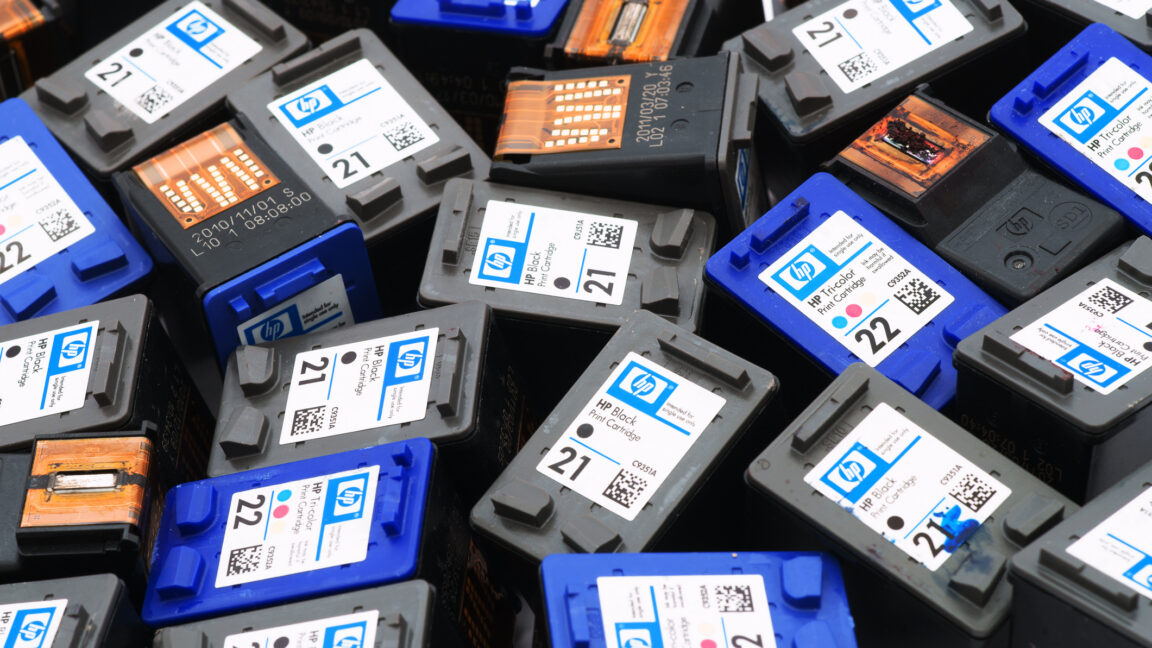
HP's firmware updates block third-party ink, violating green standards
Arstechnica·12 March 2026·HP has new incentive to stop blocking third-party ink in its printers - Ars Technica - Trade group callls out HP for latest Dynamic Security firmware update.
Signals:
- →Firmware updates blocking third-party cartridges may violate new EPEAT 2.0 sustainability compliance standards.
- →Public sector procurement often mandates EPEAT registration, creating significant legal and reputational risks.
- →Restrictive printer firmware practices threaten circular economy goals and sustainable supply chain initiatives.
Startups and Investment Deals

Yann LeCun's AI start-up secures $1bn in record seed round
Financial Times·10 March 2026·Yann LeCun’s AI start-up raises more than $1bn in Europe’s largest seed round - Meta’s former chief AI scientist launches AMI Labs with backing from Nvidia, Temasek and Jeff Bezos
Signals:
- →Record-breaking $1bn seed funding signals massive investor confidence in next-generation AI architectures.
- →Shift toward "world models" suggests future AI will prioritize physical reasoning over language.
- →Strategic partnerships with industry giants indicate significant potential for future commercial AI applications.
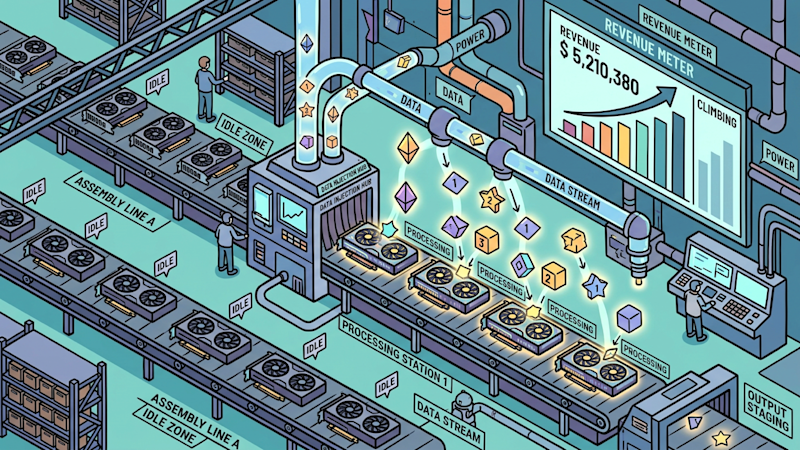
FriendliAI turns idle GPU clusters into inference revenue streams
Signals:
- →Monetize idle GPU cycles to transform lost infrastructure costs into new revenue streams.
- →Increase inference throughput efficiency to lower operational costs and improve profit margins.
- →Leverage automated, preemptible workloads to maximize hardware utilization without impacting primary operations.
🆕 AI releases

Viktor reverse-engineered and rebuilt as open source in 2 days
Signals:
- →AI agents can be reverse-engineered quickly, exposing proprietary workflows and internal system architecture.
- →Excessive agent access to internal logs and files creates significant intellectual property risks.
- →Open-source alternatives can rapidly replicate proprietary AI tools, threatening competitive market advantages.

NanoClaw and Docker partner to sandbox AI agents securely
Signals:
- →Docker integration provides essential OS-level isolation for deploying secure AI agents.
- →Containerized sandboxes mitigate risks like prompt injection and unauthorized system access.
- →NanoClaw offers a lightweight, auditable alternative to insecure, complex AI agent platforms.
Claude Gets Visual: Anthropic Rolls Out Interactive Charts and Diagrams in Conversation
Anthropic has launched a beta feature enabling Claude to generate interactive charts, diagrams, and visualisations directly within chat conversations. First previewed last autumn as "Imagine with Claude," the capability works by generating JavaScript (using Chart.js), HTML, and CSS on the fly — essentially spinning up mini-apps inline rather than producing static images. Users can ask Claude to explain compound interest and receive an interactive chart with sliders, then iteratively refine it (e.g., adding an inflation adjustment) as the conversation evolves. Crucially, these visuals are distinct from Claude's existing Artifacts feature. Where Artifacts are persistent, shareable documents, these inline visualisations are ephemeral — they shift and disappear as the discussion progresses, designed to aid understanding in the moment rather than serve as polished outputs. The feature is on by default across all plan types, with Claude autonomously deciding when a visual would be helpful, though users can also request one explicitly. This positions Anthropic in an interesting space: rather than competing on AI image generation (à la Midjourney or Google's efforts), they're leaning into *functional* visual output — interactive tools generated from code rather than pixel-based art. It's a pragmatic play that reinforces Claude's identity as a productivity-oriented assistant, turning what would otherwise be text-heavy explanations into explorable, dynamic experiences.
2 sources · View on Substack

Zhipu AI's new models spark 16% stock surge
Panda Daily·16 March 2026·Zhipu AI Unveils GLM-5-Turbo and “OpenClaw Packages,” Shares Jump 16% - Pandaily - Zhipu AI launched the GLM-5-Turbo model optimized for OpenClaw agents alongside new “OpenClaw Packages,” driving a 16% surge in its shares.
Signals:
- →GLM-5-Turbo enhances operational efficiency through superior AI processing speeds.
- →OpenClaw packages lower technical barriers for rapid enterprise AI integration.
- →Significant stock growth signals strong investor confidence in Zhipu’s market position.

Nvidia's Nemotron 3 Super tackles AI agent "token explosion" problem
Signals:
- →Hybrid architecture reduces operational costs for high-volume, long-horizon enterprise agentic workflows.
- →Blackwell GPU optimization delivers 4x faster inference, significantly improving real-time agent performance.
- →Permissive commercial licensing enables secure, scalable deployment of specialized, high-performance AI agents.
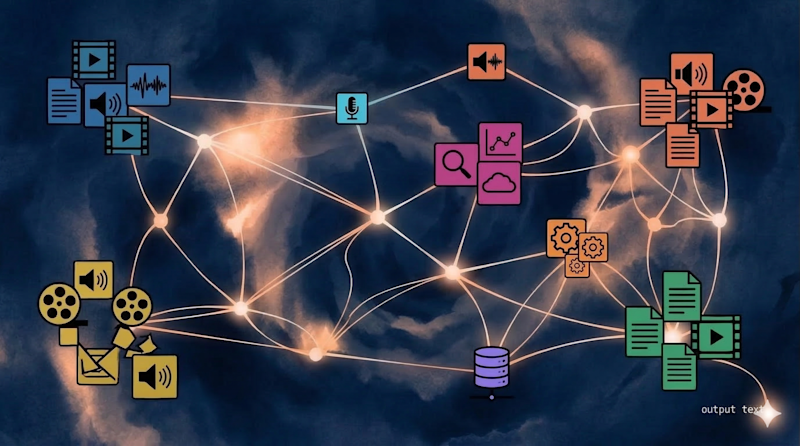
Google's Gemini Embedding 2 unifies text, video, and audio search
Signals:
- →Native multimodal processing reduces AI latency by 70% and eliminates costly text-transcription pipelines.
- →Unified embedding space enables cross-modal search across text, audio, video, and document archives.
- →Matryoshka Representation Learning allows enterprises to balance retrieval precision against database storage costs.

Gemini powers Google Maps to answer your weirdest questions
The Verge·12 March 2026·Google Maps is getting AI-powered ‘Ask Maps’ feature and more immersive navigation | The Verge - Google Maps announced two new AI-powered features: Ask Map and Immersive Navigation, letting users ask conversational questions and upgrading the navigation setting to include more details.
Signals:
- →AI integration transforms Google Maps into a conversational, personalized decision-support tool for users.
- →Enhanced navigation features improve driver safety and route transparency through real-time 3D visualization.
- →New AI capabilities streamline consumer planning and booking, potentially shifting local search traffic patterns.

Gemini gets major upgrades across Google Workspace apps
Arstechnica·10 March 2026·Gemini burrows deeper into Google Workspace with revamped document creation and editing - Ars Technica - Gemini can now pull context from your files, emails, and more to create and edit documents.
Signals:
- →AI integration significantly accelerates document, spreadsheet, and presentation creation workflows.
- →Cross-platform data synthesis improves organizational efficiency and decision-making speed.
- →Enhanced search capabilities streamline information retrieval across complex internal file systems.

ChatGPT adds interactive visuals for math and science learning
TechCrunch·10 March 2026·ChatGPT can now create interactive visuals to help you understand math and science concepts | TechCrunch - Instead of just reading an explanation or looking at a static diagram, users can now engage directly with interactive visuals.
Signals:
- →Interactive AI tools are transforming educational engagement and user learning retention strategies.
- →Real-time data visualization capabilities are becoming a competitive standard for AI platforms.
- →AI-driven pedagogical shifts impact workforce training and future skill development requirements.

Bumble launches AI matchmaking assistant "Bee" to revamp dating
TechCrunch·12 March 2026·Bumble introduces an AI dating assistant, 'Bee' | TechCrunch - Bumble's new AI assistant Bee will move the dating app beyond the swipe by matching people based on compatibility and goals.
Signals:
- →Bumble’s AI integration aims to reverse user stagnation and drive engagement growth.
- →Generative AI tools provide deeper consumer data for personalized, high-value user experiences.
- →Strategic shifts away from traditional swiping signal evolving trends in digital platform interaction.
Paperclip lets AI agents run your entire company autonomously
Signals:
- →Centralizes AI agent management through structured org charts, governance, and clear reporting lines.
- →Enforces strict cost controls and budget limits to prevent runaway AI operational expenses.
- →Provides full auditability and transparency by tracing every agent decision and task execution.

Claude AI can now control Autodesk Fusion to design CAD parts
Signals:
- →AI-driven CAD automation significantly reduces manual design time for complex mechanical parts.
- →Natural language interfaces democratize engineering, lowering barriers for non-expert product design.
- →Integrating AI into CAD workflows is a critical competitive advantage for software providers.
🥼 AI research
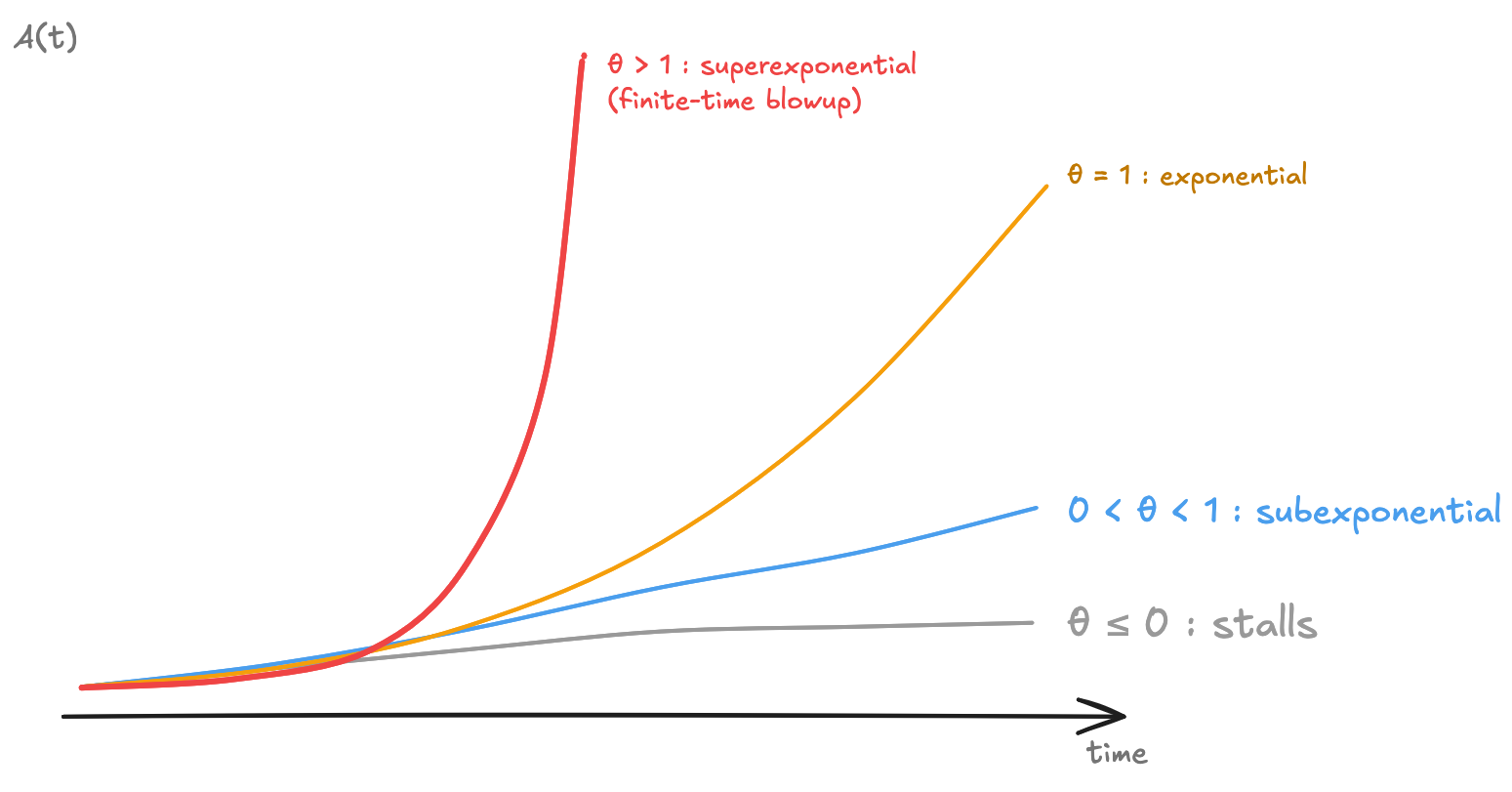
Economic models reveal key limits on AI self-improvement potential
Signals:
- →Economic models help quantify how algorithmic improvements might overcome physical compute scaling limits.
- →AI-driven R&D creates unique feedback loops that traditional innovation models fail to capture.
- →Determining if AI research productivity will accelerate is critical for forecasting intelligence explosions.
GPU-accelerated neural network runs on encrypted data, sees nothing
 GitHub·16 March 2026·gpu-fhe-net - None
Signals:
- →Enables secure neural network inference without exposing sensitive user data to servers.
- →Delivers high-performance, GPU-accelerated privacy protection suitable for real-time production environments.
- →Provides post-quantum secure data processing, ensuring long-term compliance and information safety.
Decentralized AI network turns collective knowledge into living intelligence
Signals:
- →Decentralized, cryptographic verification ensures data integrity and prevents malicious poisoning of collective intelligence.
- →Byzantine-tolerant consensus mechanisms enable secure, collaborative knowledge sharing without central authority or PII.
- →Cross-domain learning and automated partitioning optimize organizational intelligence through scalable, self-organizing neural architectures.

AI model predicts telomere length from standard biopsy images
Phys.org·Computational model predicts telomere length from routine biopsy slide images - A new computational tool infers changes occurring at the ends of the chromosomes housing our DNA. It does so by detecting structural alterations in cells and tissues captured in images taken of routine medical biopsies, according to findings published in Cell Reports Methods.
Signals:
- →TLPath enables cost-effective, scalable telomere length assessment using existing routine biopsy slide images.
- →The model provides superior predictive accuracy for aging and chronic disease risk than age.
- →Digitizing histopathology archives creates massive, untapped potential for large-scale, non-invasive biological research.

Compiler feedback boosts GPT-5's Idris coding from 39% to 96%
Signals:
- →LLMs struggle with niche programming languages, significantly underperforming compared to mainstream coding environments.
- →Integrating compiler-level feedback loops dramatically improves LLM accuracy in complex, low-resource programming tasks.
- →Compiler diagnostics provide a more effective learning signal than documentation or test-based feedback.

Light-powered AI chip processes data at picosecond speeds
TechXplore·Ultra-compact photonic AI chip operates at the speed of light - Australian researchers have built an ultra-compact artificial intelligence (AI) chip that is able to make calculations using the power of light, at the speed of light. The nano photonic chip prototype, which harnesses the ...
Signals:
- →Photonic chips drastically reduce energy consumption by eliminating electrical resistance and heat generation.
- →Light-based processing enables AI calculations at unprecedented speeds, significantly outperforming traditional electronic hardware.
- →This compact technology provides a scalable, sustainable solution for growing global AI infrastructure demands.
🔮[Weak] signals
Consumer Tech

Oukitel launches world's first rugged solar-powered laptop
Signals:
- →Solar-integrated hardware enables continuous field operations in remote, off-grid industrial environments.
- →Hybrid power designs reduce dependency on traditional charging, enhancing workforce productivity and mobility.
- →Advancing photovoltaic efficiency offers new potential for sustainable, long-term remote data collection.

Jiffy 75 split keyboard reimagines the popular 75% layout
 New Atlas·13 March 2026·Jiffy 75 split ergonomic keyboard reduces typing strain - Discover the Jiffy 75, a split ergonomic keyboard on Kickstarter. It adapts the 75% layout for comfort and a natural typing posture.
Signals:
- →Ergonomic design reduces workplace strain and improves long-term employee health.
- →Customizable layouts and wireless connectivity enhance individual productivity and workspace flexibility.
- →Crowdfunding risks require careful evaluation before committing to hardware procurement investments.
Social Media

Substack launches built-in recording studio for video creators
TechCrunch·12 March 2026·Substack launches a built-in recording studio | TechCrunch - Substack creators can pre-record video conversations with up to two guests, then publish directly on the platform.
Signals:
- →Integrated video tools streamline production, reducing reliance on third-party software for creators.
- →Multimedia content adoption correlates with 50% faster revenue growth for platform creators.
- →Expansion into TV apps captures the growing trend of long-form living room consumption.

Aether OS brings a full desktop experience to your browser
The Verge·15 March 2026·Aether OS is a computer in a browser built for the AT Protocol | The Verge - Aether OS is computer in a browser built for the AT Protocol that’s impractical, but fun.
Signals:
- →Aether OS demonstrates browser-based desktop environments integrated with the decentralized AT Protocol.
- →The platform highlights emerging potential for decentralized, web-native productivity and social applications.
- →Current security and privacy limitations pose significant risks for enterprise or sensitive data.
Chips and Computer Hardware

MIT's photonic "ski jumps" beam light off chips into free space
Phys.org·Photonic 'ski jumps' efficiently beam light into free space - Photonic chips use light to process data instead of electricity, enabling faster communication speeds and greater bandwidth. Most of that light typically stays on the chip, trapped in optical wires, and is difficult to transmit to the outside world in an efficient manner.
Signals:
- →Scalable photonic chips enable precise, high-density light control for advanced quantum computing systems.
- →New fabrication techniques allow for ultra-high-resolution displays and compact, efficient Lidar sensor integration.
- →Rapid, controllable light emission significantly accelerates industrial 3D printing and manufacturing processes.

Dual-gate vertical transistor unlocks stable 3D chip stacking
Signals:
- →Enables high-density 3D chip stacking through improved vertical transistor performance.
- →Low-temperature fabrication reduces production costs and simplifies manufacturing processes.
- →Superior leakage control enhances energy efficiency for next-generation semiconductor devices.

Backyard shed becomes a Class 100 semiconductor cleanroom
Signals:
- →DIY cleanrooms demonstrate that specialized manufacturing barriers are becoming increasingly accessible to enthusiasts.
- →Low-cost, small-scale fabrication techniques could disrupt traditional semiconductor research and development models.
- →Advancements in modular cleanroom technology offer potential for decentralized, niche hardware prototyping.
Cybersecurity

Foreign hacker breached FBI's New York office, accessed Epstein files
TechCrunch·11 March 2026·Hacker broke into FBI and compromised Epstein files, report says | TechCrunch - According to a Reuters report, a foreign hacker broke into a server that was part of the FBI’s investigation into Jeffrey Epstein — without realizing they had hacked an FBI server.
Signals:
- →FBI security lapses expose critical vulnerabilities in sensitive federal investigative infrastructure.
- →Compromised high-profile case files create significant legal and reputational risks for agencies.
- →Human error remains a primary threat vector for sophisticated foreign cyber intrusions.

Invisible Unicode characters hide malware in 151 GitHub packages
Arstechnica·13 March 2026·Supply-chain attack using invisible code hits GitHub and other repositories - Ars Technica - Unicode that's invisible to the human eye was largely abandoned—until attackers took notice.
Signals:
- →Invisible malicious code bypasses traditional security tools and manual code reviews.
- →AI-generated packages mimic legitimate updates, increasing the risk of supply-chain compromise.
- →Organizations must implement stricter dependency vetting to mitigate sophisticated, hidden threats.
Sensor Tech
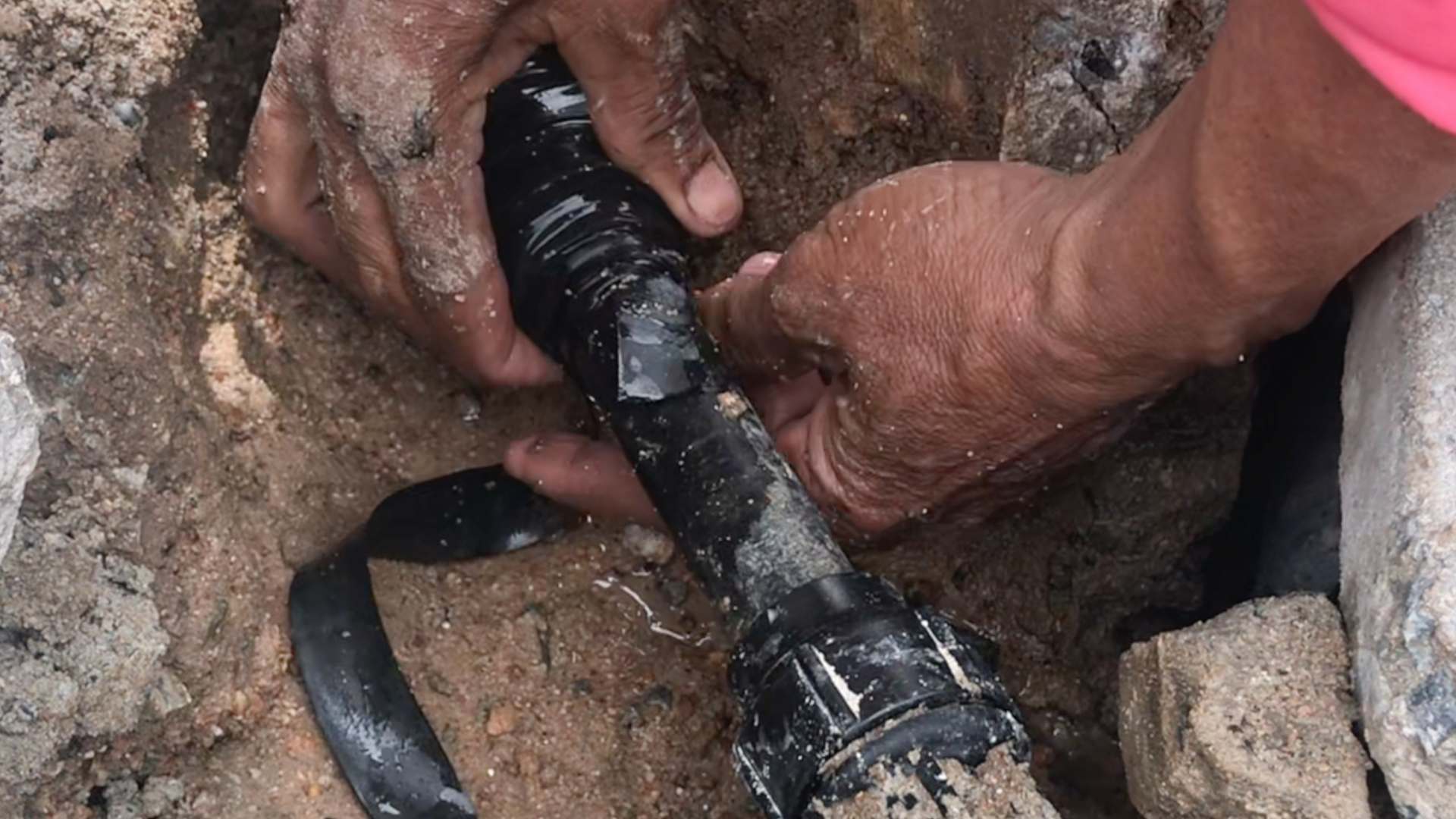
Fiber optic cables now detect underground water leaks
Signals:
- →Fiber infrastructure can now monitor utility leaks, significantly reducing resource waste and operational costs.
- →Distributed Acoustic Sensing transforms existing network assets into valuable, multi-purpose monitoring tools.
- →Machine learning integration enables scalable, 24/7 infrastructure surveillance with minimal additional hardware investment.
(Tele)communications

AT&T pledges $250B investment on phone call's 150th anniversary
Semafor·World marks 150 years since first-ever phone call | Semafor - That the phone call has survived myriad technological upheavals shows “how profoundly it changed society,” the CTO of AT&T told Semafor.
Signals:
- →AT&T’s $250 billion infrastructure investment signals major expansion in 5G and fiber-optic networks.
- →Global central banks face policy divergence due to inflation risks from the Iran war.
- →Shifting EV subsidies and trade tensions are creating significant volatility in global automotive markets.
Robotics

ChicGrasp robot learns to handle chickens by imitating humans
TechXplore·Poultry processing robotics advances with ChicGrasp - What started out as a response to labor shortages in poultry processing plants during the COVID-19 pandemic has turned into a robotics system that can learn by imitating human movements to handle chickens. Using an advanced ...
Signals:
- →Imitation learning enables robots to handle unpredictable, irregular tasks in poultry processing environments.
- →Open-source hardware and data accelerate innovation and reduce development costs for agricultural robotics.
- →Adaptive AI technology offers a scalable solution to mitigate persistent labor shortages in manufacturing.

New robotic hand grasps fragile objects without crushing them
Interesting Engineering·11 March 2026·US-made ultra-sensitive robotic hand can pick up a single potato chip - Engineers at the University of Texas at Austin have developed a robotic hand that gently grips potato chips using touch sensors.
Signals:
- →Advanced tactile sensing enables robots to handle fragile items without causing damage.
- →High-precision slip detection improves operational efficiency in manufacturing and food processing.
- →Customizable 3D-printed components offer a cost-effective solution for delicate automation tasks.
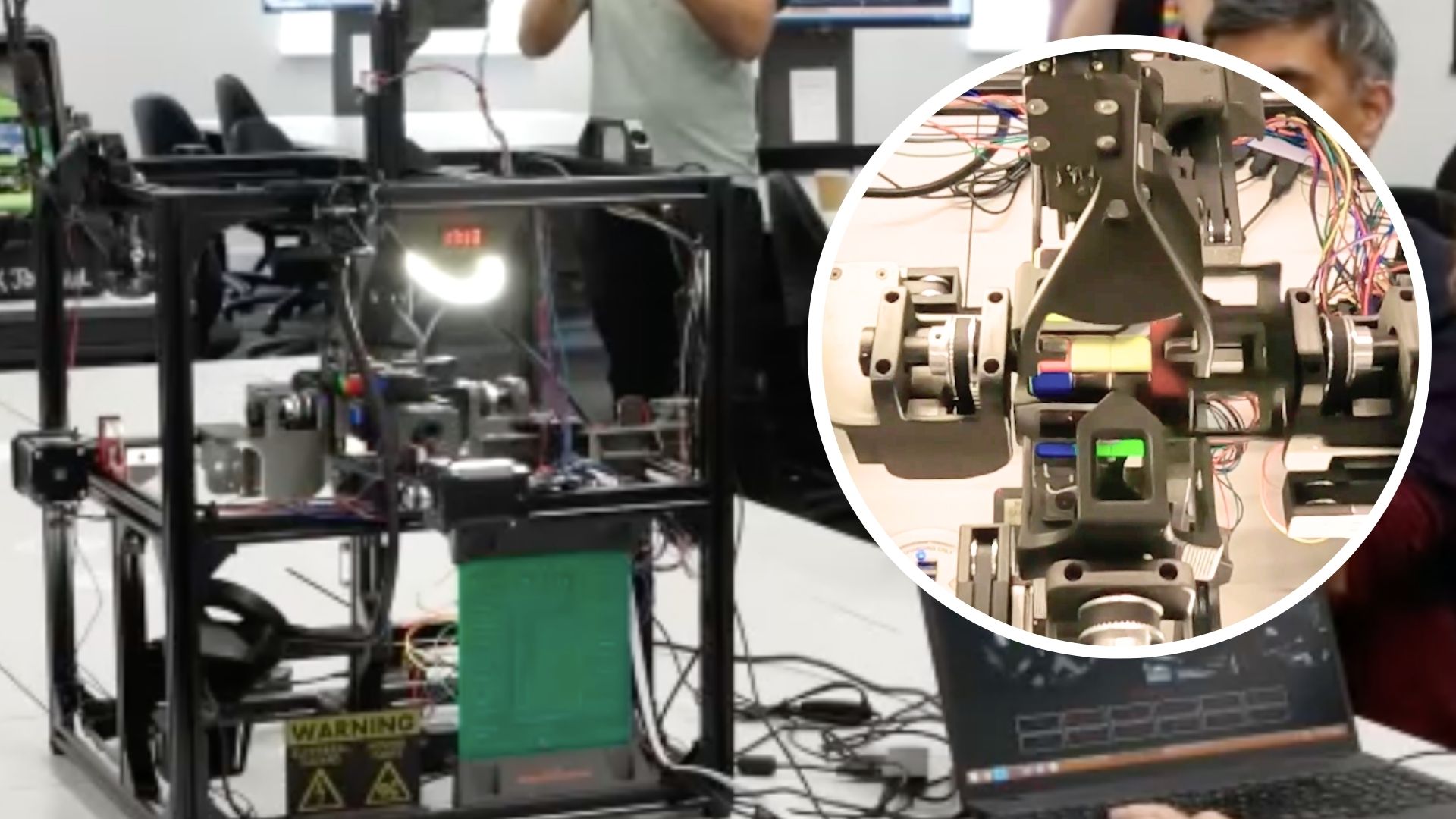
Brothers' robot solves 4×4 puzzle cube in record 45 seconds
Interesting Engineering·16 March 2026·World record broken as robot solves puzzle cube at lightning speed - The robot recently earned recognition from Guinness World Records after it successfully solved a 4×4 puzzle cube in just 45.3 seconds, surpassing a record.
Signals:
- →Demonstrates how 3D printing accelerates rapid prototyping and mechanical engineering innovation.
- →Highlights the potential for academic projects to yield high-performance, industry-relevant robotic solutions.
- →Showcases how advanced algorithms significantly improve machine speed, precision, and operational efficiency.
Autonomy and Drones

Poland builds EU's first anti-drone shield amid Russian threats
Financial Times·10 March 2026·Poland to build EU’s first anti-drone shield - System dubbed San is being developed by Polish-Norwegian consortium, with some technology battle-tested in Ukraine
Signals:
- →Establishes a critical, cost-effective defense against escalating drone threats to national airspace.
- →Positions Poland as a central European hub for advanced counter-drone military innovation.
- →Highlights significant political and financial risks regarding EU-funded defense procurement strategies.

ESP32-powered DIY drone hits 67 mph for just $155
Signals:
- →Low-cost microcontrollers can now replace expensive, specialized hardware for high-performance aerial applications.
- →3D printing enables rapid, cost-effective prototyping and iteration for complex engineering projects.
- →Accessible, open-source platforms are increasingly capable of achieving professional-grade performance benchmarks.
Military Tech

Anduril acquires ExoAnalytic to boost military space surveillance
Arstechnica·11 March 2026·Anduril, the autonomous weapons maker, doubles the size of its space unit - Ars Technica - We are focused on protecting space, assuring access to space, ensuring custody of space."
Signals:
- →Acquisition secures critical space domain awareness and missile defense capabilities for national security.
- →Integration of global sensor networks significantly expands Anduril’s space-based intelligence and tracking capacity.
- →Enhanced onboard processing and surveillance tech strengthens competitive positioning for Pentagon defense contracts.

Anduril lands $20B Army contract for autonomous defense tech
TechCrunch·14 March 2026·US Army announces contract with Anduril worth up to $20B | TechCrunch - The Army described this as a single enterprise contract consolidating more than 120 separate "procurement actions."
Signals:
- →The $20B Army contract signals a major shift toward rapid software-driven defense procurement.
- →Consolidating 120 procurement actions streamlines military supply chains for faster technology deployment.
- →Anduril’s massive deal highlights the growing strategic importance of autonomous systems in defense.

Japan deploys Type-12 missiles, shifting from purely defensive posture
Interesting Engineering·15 March 2026·Japan’s new 621-mile range missiles put Taiwan Strait within reach - Japan’s upgraded Type-12 missile can now reach 1,000 km, giving Tokyo the ability to target ships far beyond its coastlines.
Signals:
- →Japan’s shift to offensive missile capabilities signals a major regional military doctrine change.
- →Enhanced strike ranges significantly alter the strategic balance near Taiwan and China.
- →Deployment increases regional tensions and risks of escalation within the First Island Chain.

Covert US operation obtains Russian weapon linked to Havana Syndrome
Interesting Engineering·10 March 2026·Russian microwave weapon tied to Havana Syndrome in new US reports - A covert US operation obtains a microwave weapon that could explain Havana Syndrome, linked to brain injuries reported by diplomats since 2016.
Signals:
- →New evidence links directed-energy weapons to unexplained neurological injuries among government personnel.
- →Discovery of portable microwave technology necessitates urgent updates to global diplomatic security protocols.
- →Potential foreign state involvement in these attacks requires immediate strategic and geopolitical reassessment.
Crypto

Ethereum Foundation sets goal to make itself obsolete
CoinTelegraph·Ethereum Foundation Outlines Ethos and Responsibilities in New Mandate - The Ethereum Foundation has published a new mandate for the organization outlining its role in the ecosystem and the future direction of Ethereum.
Signals:
- →The Ethereum Foundation is prioritizing long-term decentralization to ensure protocol survival without central oversight.
- →Growing distrust in centralized exchanges is driving a strategic shift toward user-managed self-custody solutions.
- →Financial institutions are increasingly adopting tokenized assets, signaling a major transition toward 24/7 digital trading.

ARK Invest: One-third of Bitcoin supply faces quantum risk
CoinTelegraph·12 March 2026·65% of Bitcoin Supply Not Vulnerable to Quantum Threat: Ark Invest - ARK Invest said that 65% of the Bitcoin supply is not vulnerable to the quantum threat, but urged the industry to adopt a quantum-safe address format to protect the vulnerable supply.
Signals:
- →One-third of Bitcoin supply faces long-term vulnerability to future quantum computing advancements.
- →Decentralized governance complicates the necessary implementation of quantum-safe cryptographic upgrades for Bitcoin.
- →Strategic planning is required now to mitigate future risks before quantum capabilities mature.

Bitcoin needs 72% of subsea cables to fail before network impact
CoinTelegraph·16 March 2026·Bitcoin Resilience Study Reveals Targeted Attack Risk - Bitcoin is resistant to random subsea internet cable failures, but is still vulnerable to targeted attacks, according to a Cambridge study based on 11 years of network data.
Signals:
- →Bitcoin’s decentralized infrastructure demonstrates high resilience against random global subsea cable failures.
- →Targeted attacks on specific cable chokepoints pose a significant risk to network connectivity.
- →Tor routing enhances network stability by leveraging redundant infrastructure in well-connected regions.

BIP-360 takes Bitcoin's first step toward quantum resistance
CoinTelegraph·10 March 2026·Bitcoin’s Quantum Defense Plan: What BIP-360 Actually Changes - Bitcoin’s BIP-360 introduces P2MR to reduce quantum risk. Here is what changes, what trade-offs come with it and what it does not fix.
Signals:
- →BIP-360 formally integrates quantum risk mitigation into Bitcoin’s long-term technical development roadmap.
- →P2MR addresses reduce quantum vulnerability by eliminating public key exposure during transaction spending.
- →Adoption requires long-term infrastructure planning for wallets, exchanges, and institutional custody providers.

Australia's Senate backs crypto licensing bill for exchanges
CoinTelegraph·16 March 2026·Australian Senate Committee Backs Digital Assets Framework Bill - Australia’s Senate Economics Committee has recommended passing the Digital Assets Framework Bill, pushing crypto exchanges and tokenization platforms into the AFSL regime.
Signals:
- →New licensing requirements will mandate stricter oversight for Australian crypto exchanges and platforms.
- →Compliance with financial services laws aims to prevent consumer losses from platform collapses.
- →Regulatory clarity may boost Australia's global competitiveness despite ongoing concerns regarding banking access.
Energy
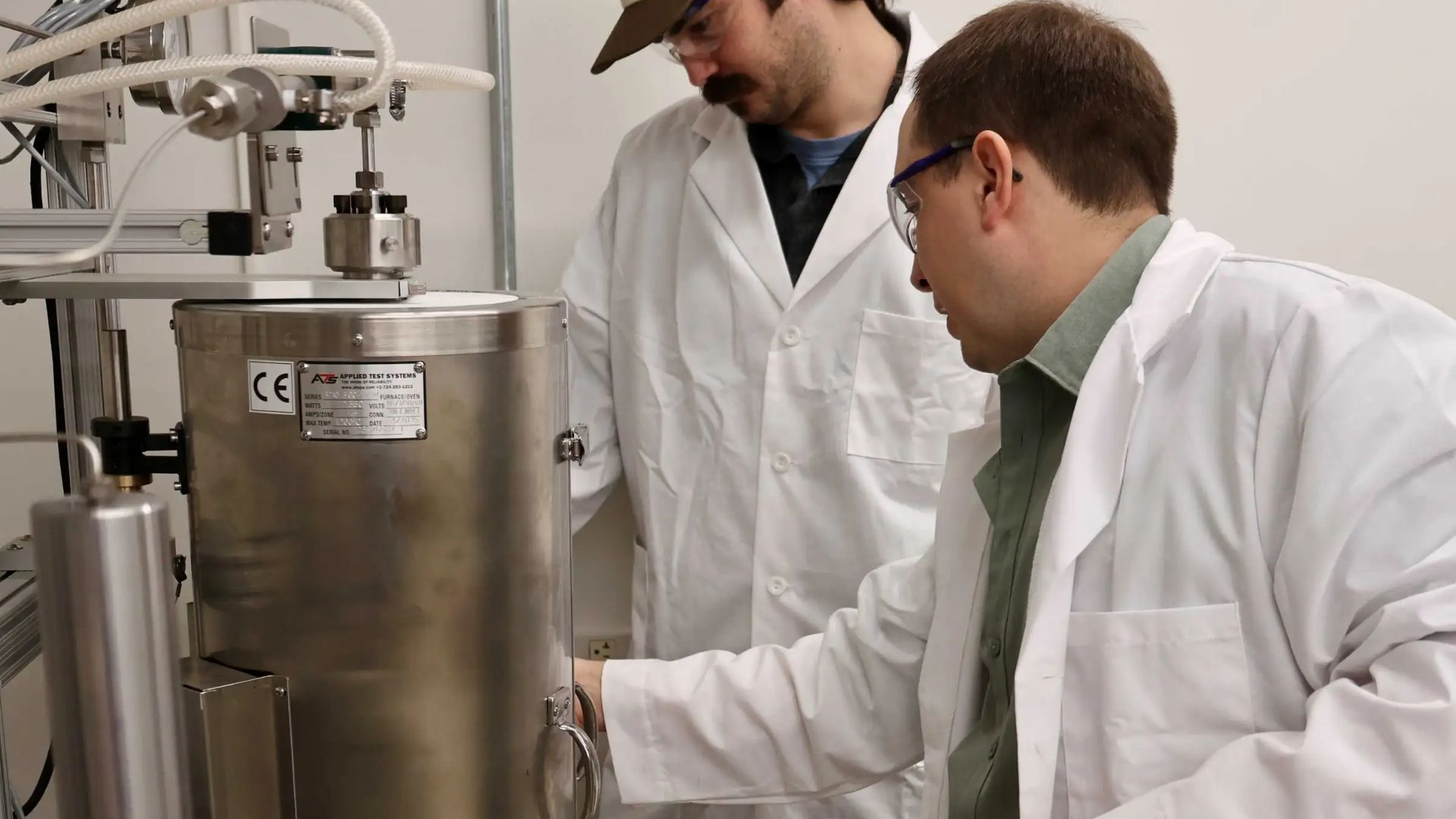
Quaise Energy funds OSU lab to unlock superhot rock geothermal power
Interesting Engineering·11 March 2026·US tool to recreate deep-earth conditions to unlock 'superhot' power - Researchers are testing whether conventional materials can survive extreme temperatures required for deep-earth geothermal power.
Signals:
- →Superhot geothermal energy offers a massive, scalable solution for global baseload power needs.
- →Laboratory research mitigates technical and financial risks for deep-earth drilling infrastructure projects.
- →Validated data on extreme-condition material stability is essential for future energy commercialization.
Transport

US launches eVTOL air taxi pilot program this June
Signals:
- →New federal pilot programs accelerate the integration of electric air taxis into national airspace.
- →Advanced air mobility offers potential for efficient urban transport, logistics, and emergency response services.
- →Real-world testing data will directly shape future regulatory standards for autonomous aviation technology.

China's 5-ton eVTOL completes landmark test flight
Signals:
- →Large-scale eVTOL aircraft demonstrate potential for efficient, long-range regional cargo and passenger transport.
- →Advancements in electric aviation technology signal a shift toward sustainable, infrastructure-light aerial logistics.
- →Strategic investments in battery technology are accelerating the commercial viability of heavy-lift electric aircraft.

BYD's new EV charges from 10% to 70% in five minutes
Interesting Engineering·14 March 2026·China's new 385-mile range BYD EV charges 10% to 70% in 5 minutes - BYD has introduced a new Flash Charging Edition of its Fang Cheng Bao Ti3, bringing ultra-fast charging capabilities to the brand’s growing lineup.
Signals:
- →Ultra-fast charging technology significantly reduces EV downtime, enhancing operational efficiency and consumer convenience.
- →Advanced battery and platform integration improve vehicle safety, range, and performance in extreme climates.
- →AI-driven cockpit and driver-assistance systems provide a competitive edge in the intelligent vehicle market.

World's largest sailing cruise ship completes propulsion trials
Interesting Engineering·15 March 2026·World’s largest sailing cruise ship sets speed record in sea trials - The sail-powered cruise ship Orient Express Corinthian has completed propulsion trials, achieving a speed record for a sailing vessel of its size.
Signals:
- →Advanced sail technology significantly reduces fuel consumption and operational carbon emissions for cruise vessels.
- →Successful propulsion trials validate the commercial viability of large-scale wind-assisted maritime transport solutions.
- →Modular, tilting mast designs enhance navigational flexibility and access to restricted maritime routes.
3D Printing

EPFL's enzyme-driven 3D printed bone scaffolds bear weight in days
Signals:
- →New enzyme-driven 3D printing enables energy-efficient, room-temperature production of high-strength bone scaffolds.
- →Scaffolds mimic natural bone properties, potentially accelerating patient recovery and early weight-bearing capabilities.
- →Scalable, bioprinter-compatible technology offers significant advancements for personalized medical device and implant manufacturing.

ICON launches Titan, a two-storey 3D concrete printing system
Signals:
- →Titan enables scalable, two-story 3D construction, significantly expanding architectural capabilities.
- →Proprietary low-carbon materials help firms meet critical sustainability and ESG targets.
- →Portable, automated systems reduce construction costs and timelines by up to 50%.
Quantum Tech

Scalable quantum batteries outcharge classical counterparts in real-world tests
Phys.org·Scalable quantum batteries can charge faster than their classical counterparts - Over the past decades, energy engineers have developed increasingly advanced battery technologies that can store more energy, charge faster and maintain their performance for longer. In recent years, some researchers have also started exploring the potential of quantum batteries, devices that can store energy leveraging quantum mechanical effects.
Signals:
- →Quantum batteries demonstrate faster charging speeds than classical counterparts under realistic energy constraints.
- →The scalable, superconducting design integrates seamlessly with existing quantum hardware and infrastructure.
- →This breakthrough provides a critical energy storage solution for future quantum computing architectures.
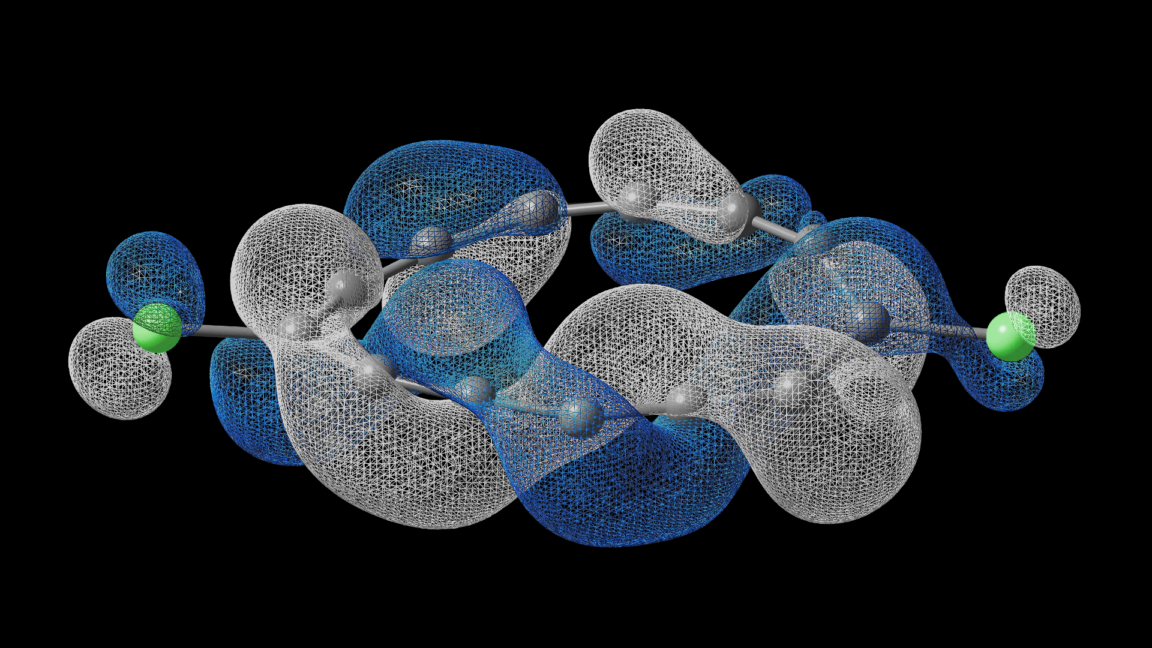
Quantum computing helps create exotic half-Möbius molecule
Arstechnica·11 March 2026·Quantum computing meets the Möbius molecule - Ars Technica - A complex structure with multiple electrons is within reach of today's hardware.
Signals:
- →Quantum-classical hybrid algorithms are now successfully modeling complex, previously intractable molecular orbital configurations.
- →Atomic-level manipulation techniques enable the creation of unstable, non-synthetic molecular structures for research.
- →Early-stage quantum computing is demonstrating practical utility in solving specialized, high-complexity chemical problems.
BCIs and Neuro Tech
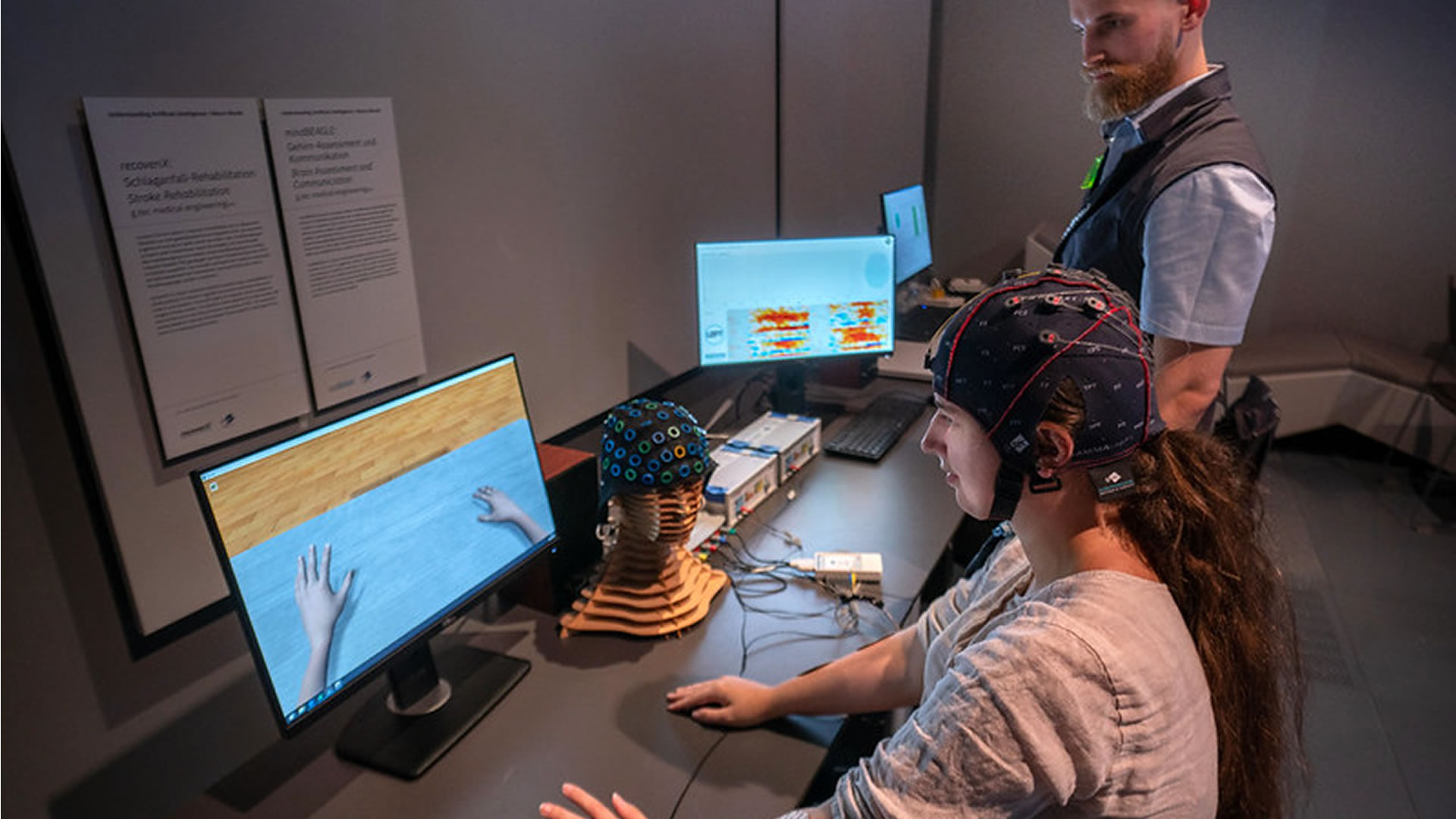
China approves first commercial brain-computer interface implant
Interesting Engineering·14 March 2026·China grants world's first commercial approval for brain implant - China has approved the world’s first commercial implantable brain–computer-interface designed to restore hand movement.
Signals:
- →First commercial BCI approval signals a shift from experimental research to medical standard.
- →China’s strategic support for BCI technology creates new competitive pressure in global markets.
- →Scalable BCI technology offers transformative potential for healthcare and future human-machine integration.
Health Tech

Dreame's Glow AI Ring debuts world-first fingertip ECG monitoring
Panda Daily·16 March 2026·Dreame Launches Glow AI Ring Featuring World’s First Fingertip ECG Monitoring - Pandaily - Dreame has unveiled the Glow AI Ring, the first smart ring to integrate AI-powered ECG, heart rate, and blood oxygen monitoring into a fingertip wearable.
Signals:
- →Introduces innovative, non-invasive health monitoring technology for competitive market differentiation.
- →Expands the wearable device portfolio with advanced, medical-grade diagnostic capabilities.
- →Sets a new industry standard for integrated AI-driven personal wellness tracking.
Bio Tech

Triple drug combo eliminates pancreatic tumors, blocks resistance in mice
 SciTechDaily·14 March 2026·New Pancreatic Cancer Treatment Wipes Out Tumors and Blocks Drug Resistance - A triple drug approach that blocks the KRAS pathway at three points eliminated pancreatic tumors and prevented resistance in mouse models.
Signals:
- →Triple-drug therapy successfully eliminates pancreatic tumors in mice by blocking KRAS signaling pathways.
- →The combination approach prevents the rapid drug resistance that typically limits pancreatic cancer treatments.
- →These findings provide a foundational strategy for developing future clinical trials to improve survival.

Single RNA shot repairs heart attack damage in animals
Signals:
- →Novel saRNA therapy offers a potential non-invasive treatment for heart attack recovery.
- →Single-injection delivery could significantly reduce long-term heart failure and healthcare costs.
- →Leveraging existing mRNA vaccine infrastructure may accelerate clinical development and regulatory approval.
Deep science

Europe's first cosmic ray simulator prepares astronauts for deep space
Interesting Engineering·13 March 2026·New simulator in Germany recreates galactic cosmic rays on Earth - Scientists in Germany built Europe's first simulator that recreates galactic cosmic rays, allowing researchers to study deep-space radiation.
Signals:
- →Enables critical testing of deep-space radiation risks for future lunar and Mars missions.
- →Provides Europe with independent, controlled capabilities to evaluate astronaut health and equipment safety.
- →Facilitates essential research to develop effective shielding against hazardous galactic cosmic rays.
⏳ Zeitgeist
Climate

Post-growth economies can achieve well-being without GDP growth
Phys.org·A pathway to achieve high well-being and a safe climate without relying on GDP growth - Governments' attempts to achieve climate goals are falling short, in large part because wealthy economies are continuing to pursue economic growth. As these economies ramp up production and consumption, they make climate mitigation more difficult to achieve. As a result, the Paris Agreement is slipping out of reach, putting nature and human societies in jeopardy.
Signals:
- →GDP-focused growth models hinder climate goals, making Paris Agreement targets increasingly difficult to achieve.
- →Post-growth strategies prioritize human well-being and equitable resource distribution to accelerate necessary emissions reductions.
- →Decision makers need new modeling tools to evaluate systemic alternatives beyond traditional economic growth.

Thwaites Glacier ice loss could match all Antarctica by 2067
Phys.org·Models warn Thwaites Glacier could rival entire Antarctic ice loss by 2067 - The future of one of Antarctica's most iconic glaciers could be far more dramatic than scientists previously thought. Using satellite calibrated ice sheet models, a team of researchers from the University of Edinburgh found that the Thwaites Glacier in West Antarctica could be shedding 180–200 gigatonnes of ice per year by 2067—a rate roughly comparable to the entire Antarctic ice sheet's current mass loss. That would represent a stunning acceleration in ice loss from a single glacier and underlines urgent concerns about future contributions to sea level rise.
Signals:
- →Thwaites Glacier ice loss could soon equal the entire Antarctic continent's current annual rate.
- →Accelerated melting poses significant risks to coastal infrastructure and global sea level stability.
- →Improved model calibration is essential for accurate long-term climate and infrastructure risk planning.
Biodiversity

Climate change and fish evolution threaten global fishing yields
Phys.org·Fish stocks are on the line: Climate change impacts global fishing yields - As the saying goes, there are plenty more fish in the sea—but climate change is rapidly challenging that notion, with fish stocks around the world under threat. New modeling from Monash University predicts how climate change will alter fishing yields in many regions, threatening food security, livelihoods and the future of marine life as a sustainable food source.
Signals:
- →Evolutionary adaptation in fish will likely increase economic losses in fisheries by 50%.
- →Warming oceans cause fish to mature smaller, significantly reducing global sustainable food yields.
- →Limiting global warming to 1.5°C is essential to preserve critical marine food security.

Intensive farming is accelerating North America's bird population collapse
Phys.org·Bird losses are accelerating across North America, particularly in farming regions where agriculture is most intensive - Since the 1970s, the U.S. has lost billions of birds. We now know that those losses aren't just growing—they are accelerating in places with intensive human activity, particularly where agriculture and expanding communities are changing the landscape.
Signals:
- →Accelerating bird population declines serve as critical early warning indicators of broader ecological instability.
- →Intensive agricultural practices and chemical use are primary drivers of rapid biodiversity loss.
- →Targeted land management and sustainable farming reforms can facilitate rapid, measurable ecological recovery.
Health

43-year study links coffee and tea to lower dementia risk
SciTechDaily·15 March 2026·43-Year Study Finds Coffee May Help Protect the Brain From Dementia - A large, decades-long study of more than 130,000 participants suggests that moderate consumption of caffeinated coffee or tea may support long-term cognitive health.
Signals:
- →Moderate caffeinated coffee and tea intake correlates with reduced long-term dementia risk.
- →Findings suggest simple dietary interventions can support cognitive health across diverse populations.
- →Long-term data confirms neuroprotective benefits regardless of an individual's genetic dementia risk.
Geopolitics

Brazil and South Africa forge defence partnership for Global South security
Signals:
- →Brazil and South Africa aim to reduce reliance on foreign military suppliers.
- →Strategic partnership fosters domestic industrial growth and technological exchange between emerging economies.
- →Enhanced defense cooperation strengthens Global South security and geopolitical autonomy.
🧠Mind expanding

School subjects studied shape political voting preferences in adulthood
Phys.org·What you study in school shapes your voting choices in adulthood - Across Europe, education has become one of the biggest dividing lines in politics, and educational qualifications are now one of the best predictors of vote choice in Britain. This is particularly the case for new parties that compete more on cultural issues, including Reform and the Greens, who attract voters from different ends of the educational spectrum.
Signals:
- →Academic curriculum choices significantly influence long-term political orientations and voting behavior in adulthood.
- →Subject-specific education shapes worldviews, impacting support for socially liberal or economically conservative parties.
- →Curriculum reform decisions have lasting consequences for future civic engagement and political polarization.

AI alignment's most critical question: who controls the controllers?
Signals:
- →AI integration into government and military operations creates unprecedented risks of state-sponsored mass surveillance.
- →Government coercion of private AI firms threatens the independence and ethical alignment of future technology.
- →Establishing clear legal norms against AI-driven authoritarian control is essential to preserving democratic freedoms.

Competing worldviews are reshaping civilization's future options
Signals:
- →Competing worldviews are replacing shared vocabularies, forcing leaders to choose between divergent civilizational trajectories.
- →Decision makers must evaluate whether their strategies preserve or degrade essential foundational continuity substrates.
- →Identifying these underlying orientations is critical for distinguishing between sustainable progress and terminal, self-undermining strategies.
Markets hear AI labor warnings, ignore biodiversity collapse — here's why
Signals:
- →Markets prioritize "priceable" information over systemic importance, creating blind spots for foundational risks.
- →Financial systems struggle to process non-linear, long-term threats like ecological collapse until they manifest.
- →Decision makers must build institutional intelligence to address critical risks that markets ignore.

AI monitoring at work raises urgent questions about corporate values
Signals:
- →Governments must actively balance competing societal inclusion and market exclusion to maintain stability.
- →AI integration into workplaces risks shifting societal norms and eroding individual autonomy.
- →Leaders must critically evaluate whether technology investments prioritize genuine societal benefit over markets.
💭Meme stream

Bell's 1876 telephone call that changed history forever
The Conversation·The story of the first telephone call – nine words that changed the world - Alexander Graham Bell was not the only person trying to invent the telephone. But 150 years ago, he won the race – just – and the rest is history.
Signals:
- →Patent protection and legal strategy are critical for securing long-term commercial dominance.
- →Successful innovation requires effective marketing and showmanship to demonstrate clear practical value.
- →Early-stage technologies often require strategic partnerships and capital to achieve market adoption.

StorageReview smashes pi record with 314 trillion digits
Signals:
- →Demonstrates superior hardware efficiency for managing massive, high-speed data processing workloads.
- →Validates optimized server configurations that reduce power consumption and operational cooling costs.
- →Establishes new benchmarks for system reliability and performance in intensive enterprise computing.